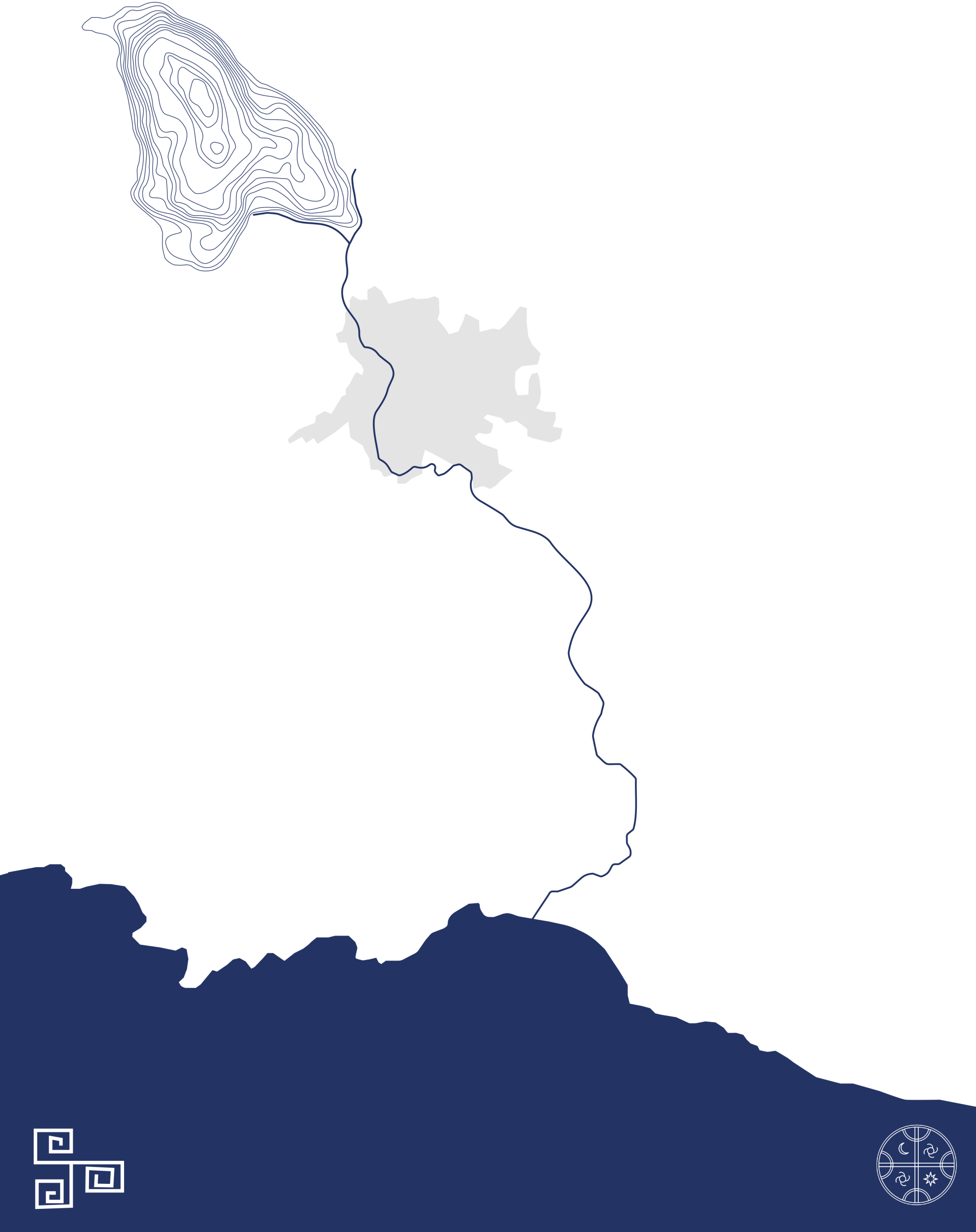
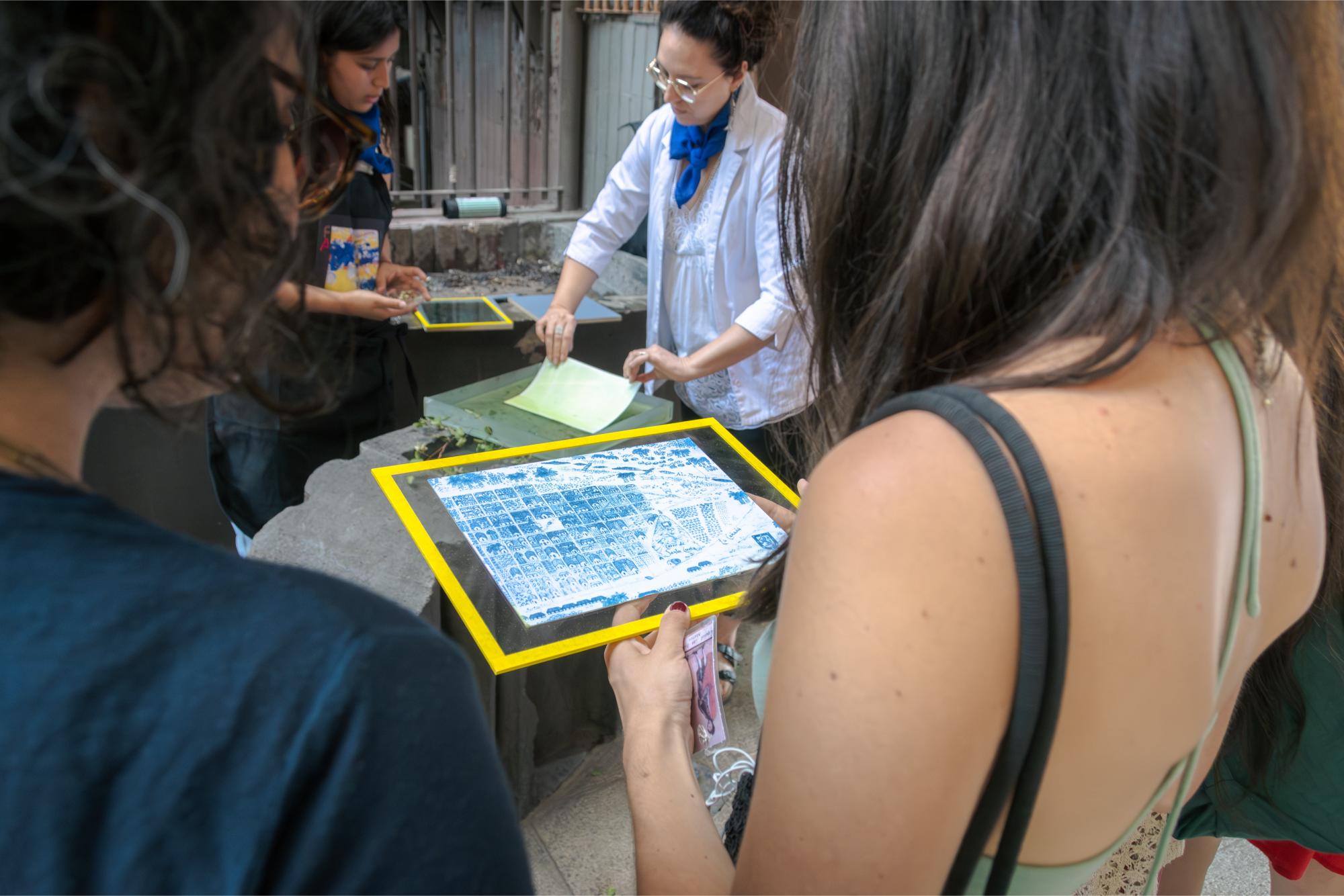
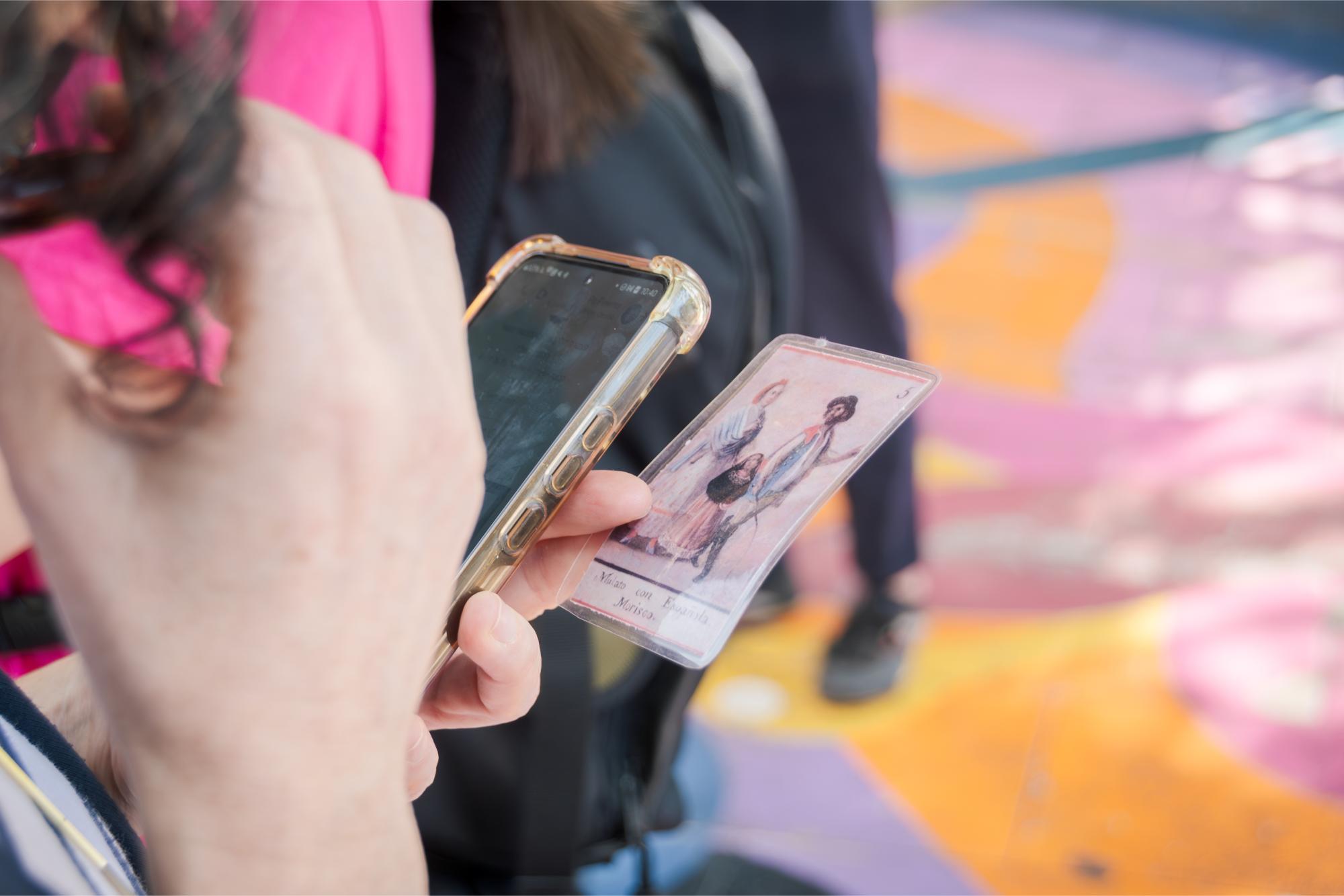
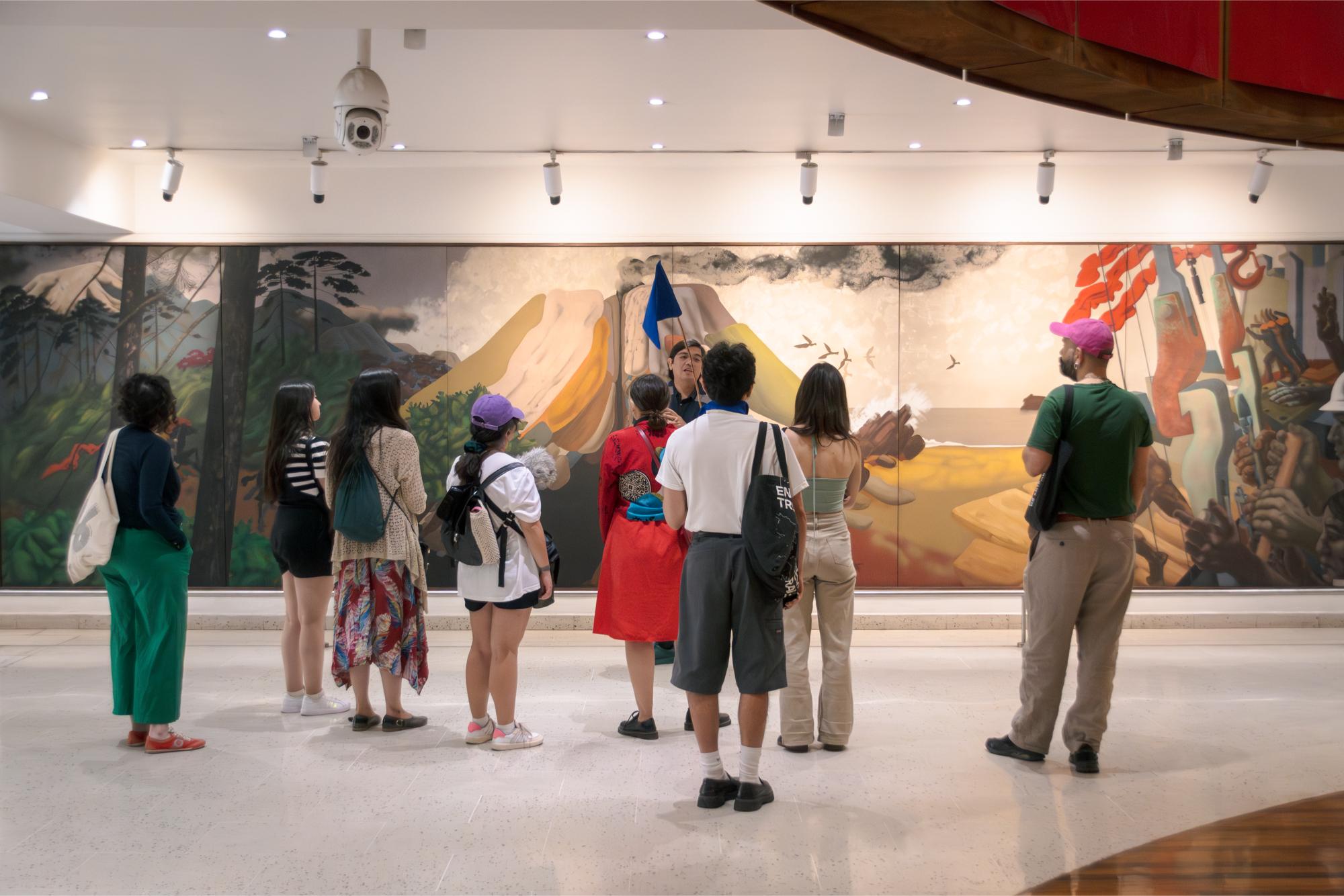
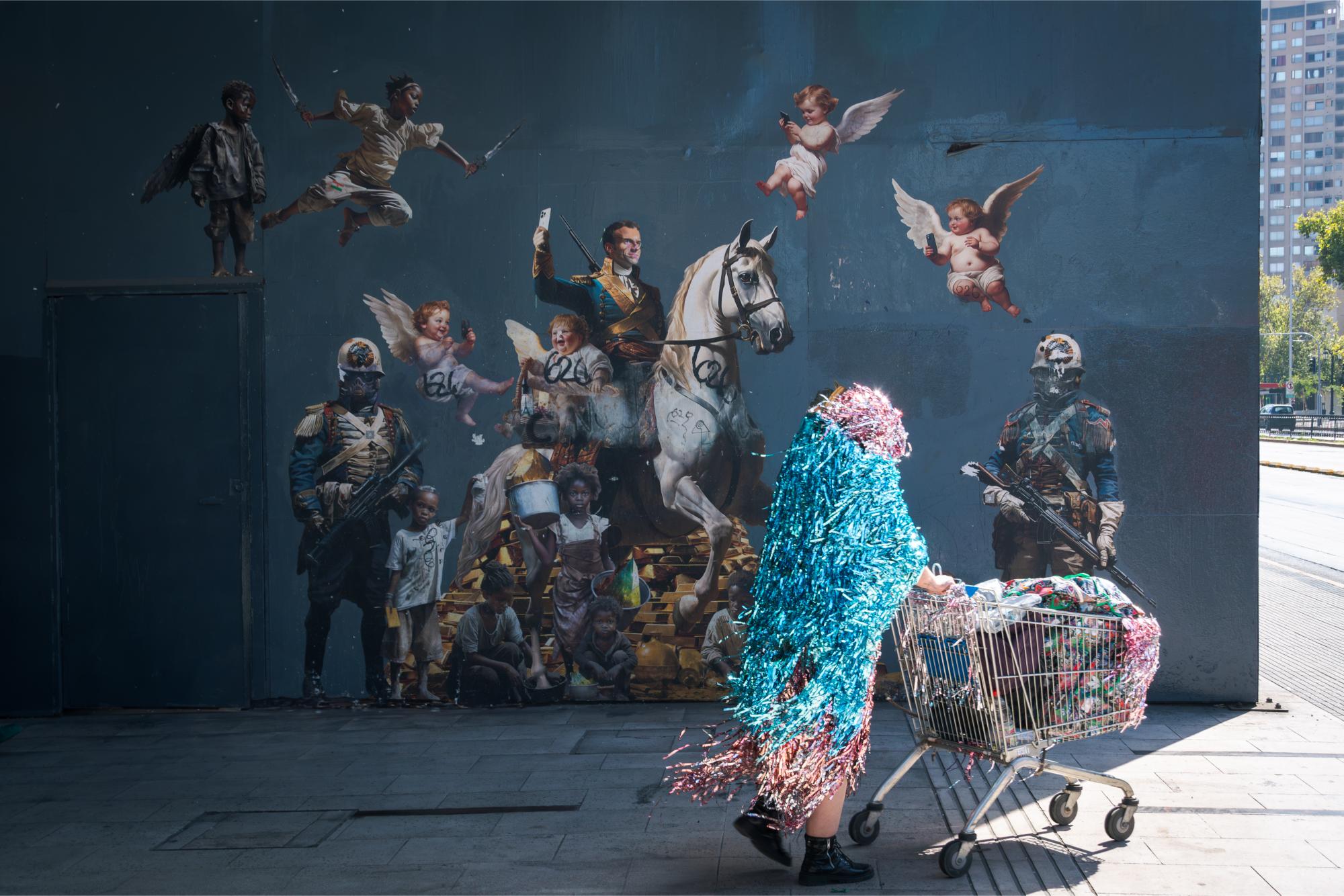
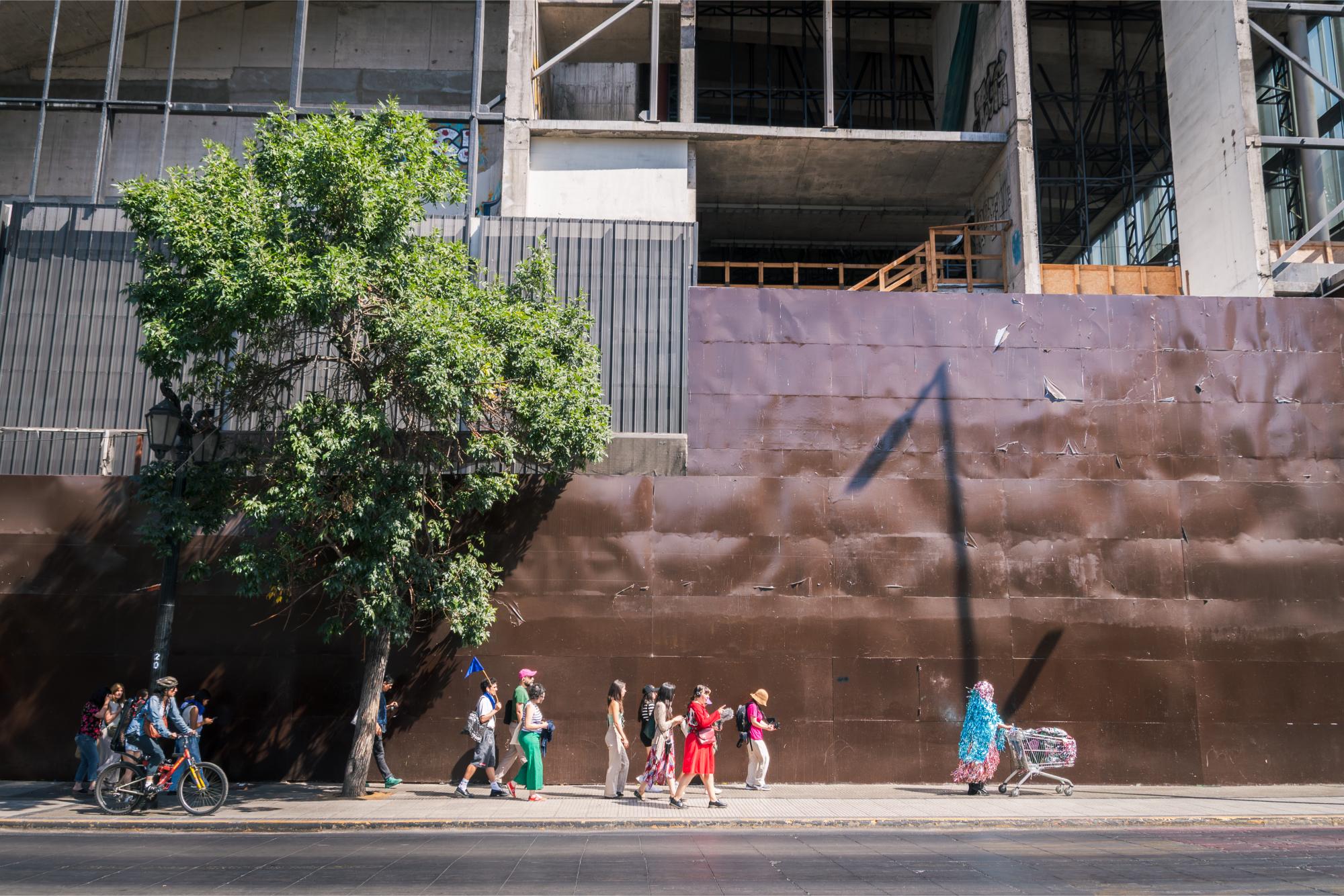
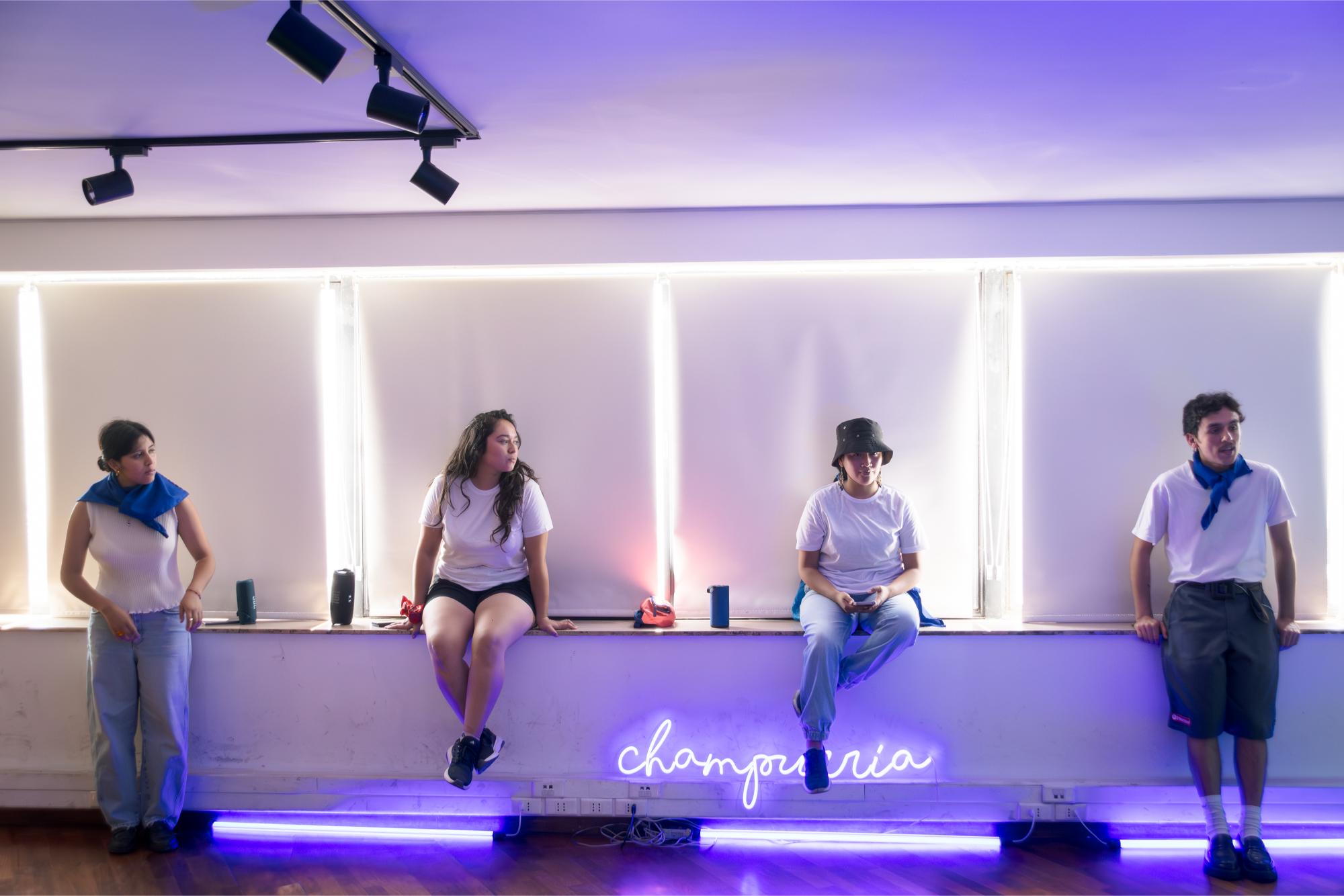
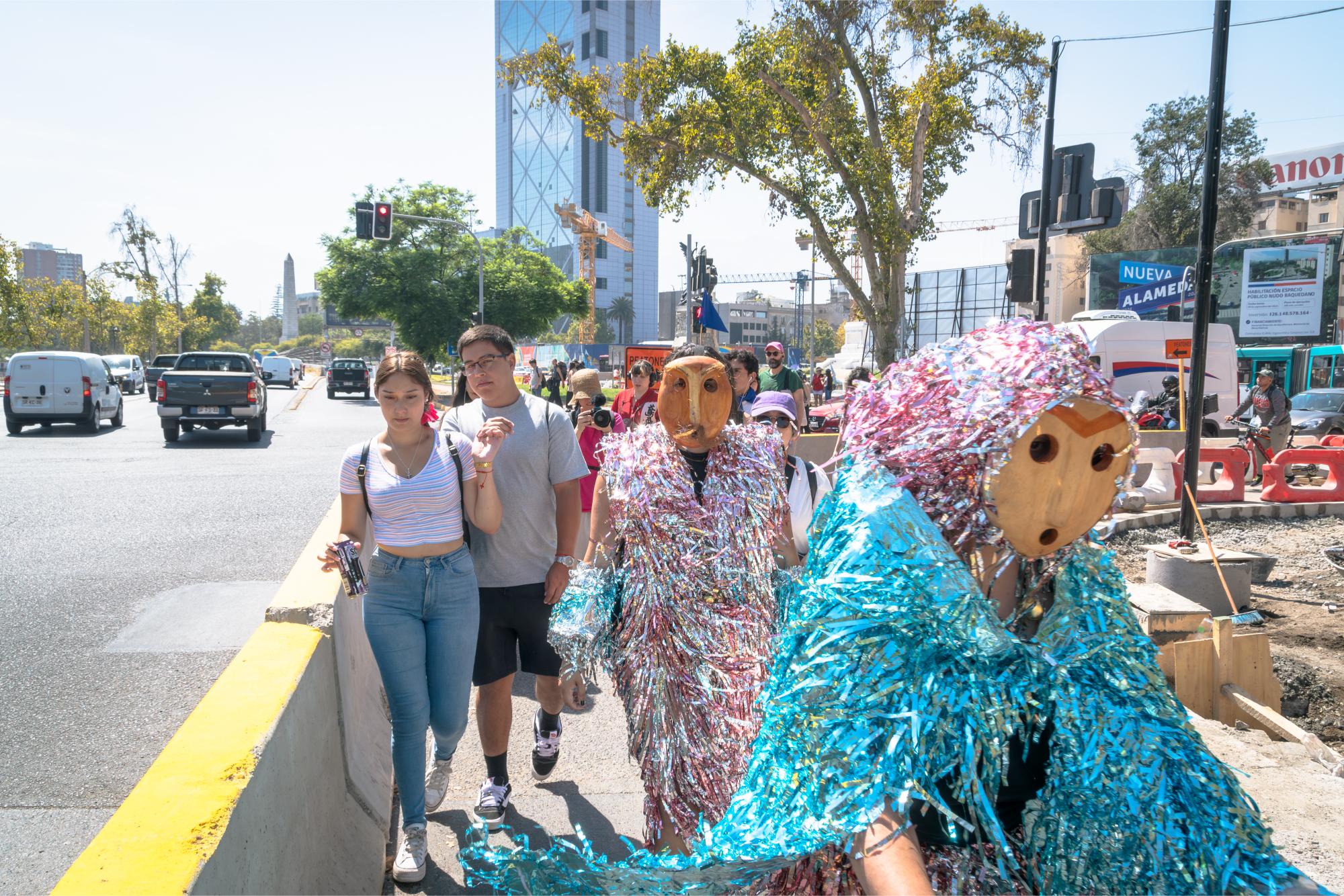
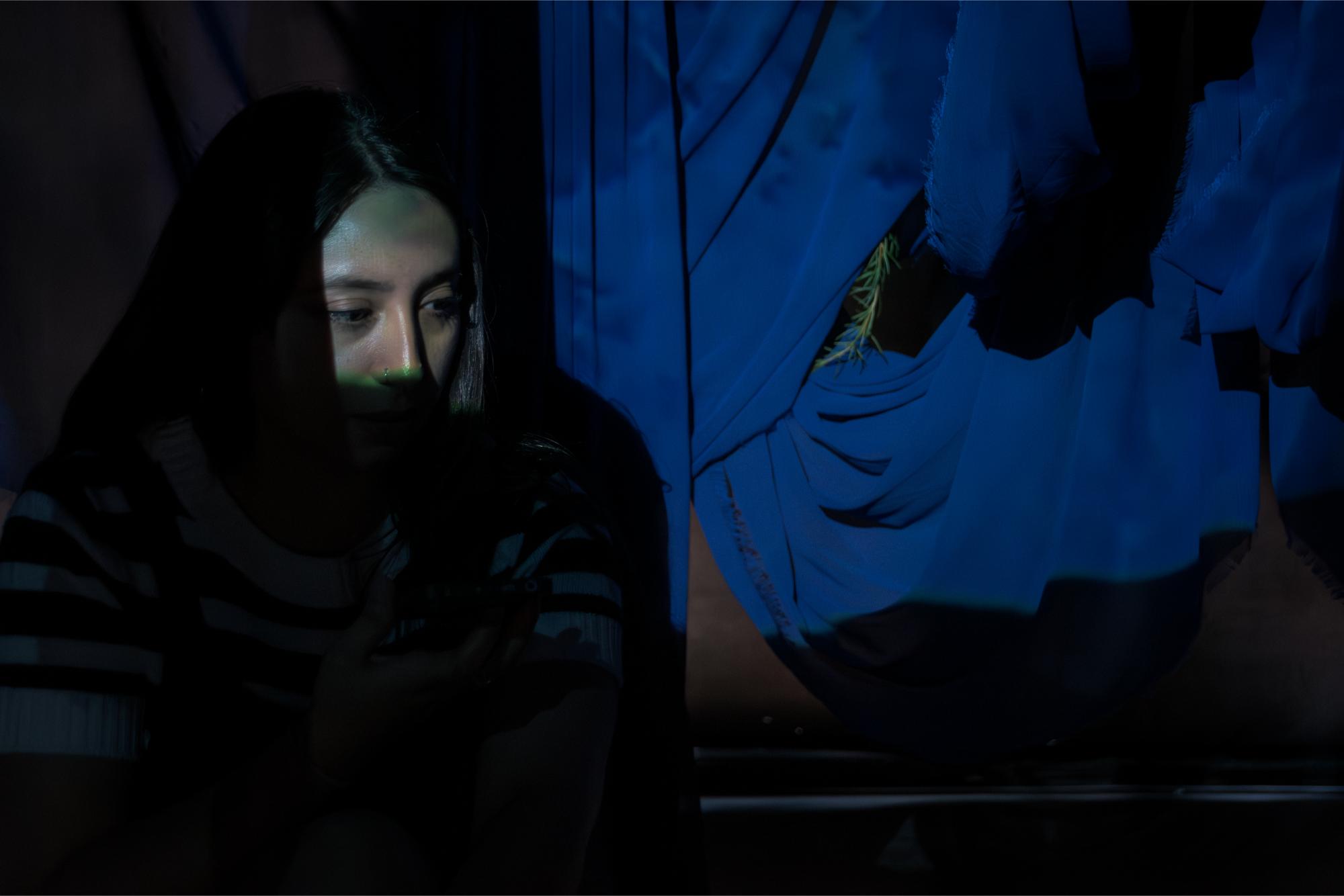
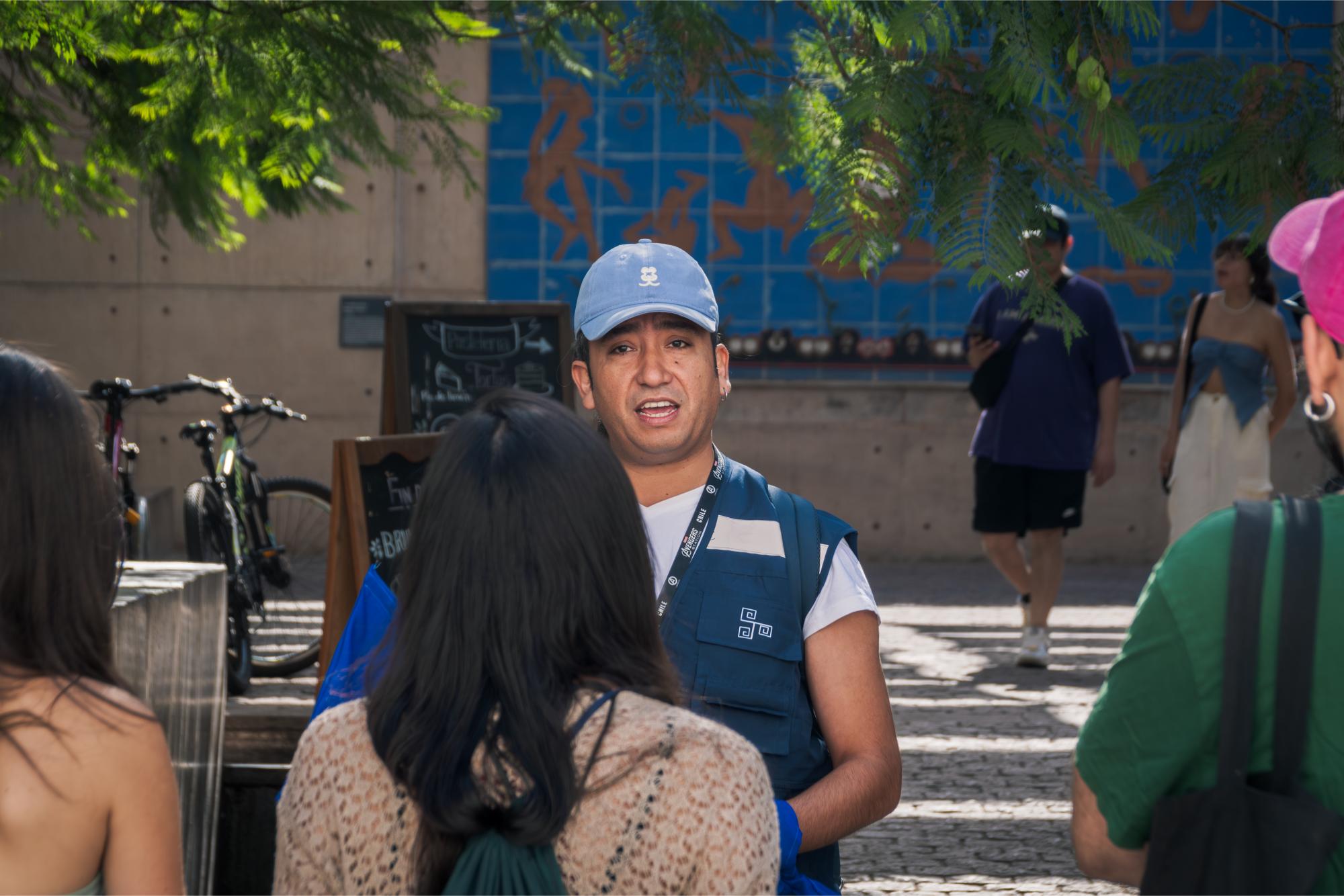
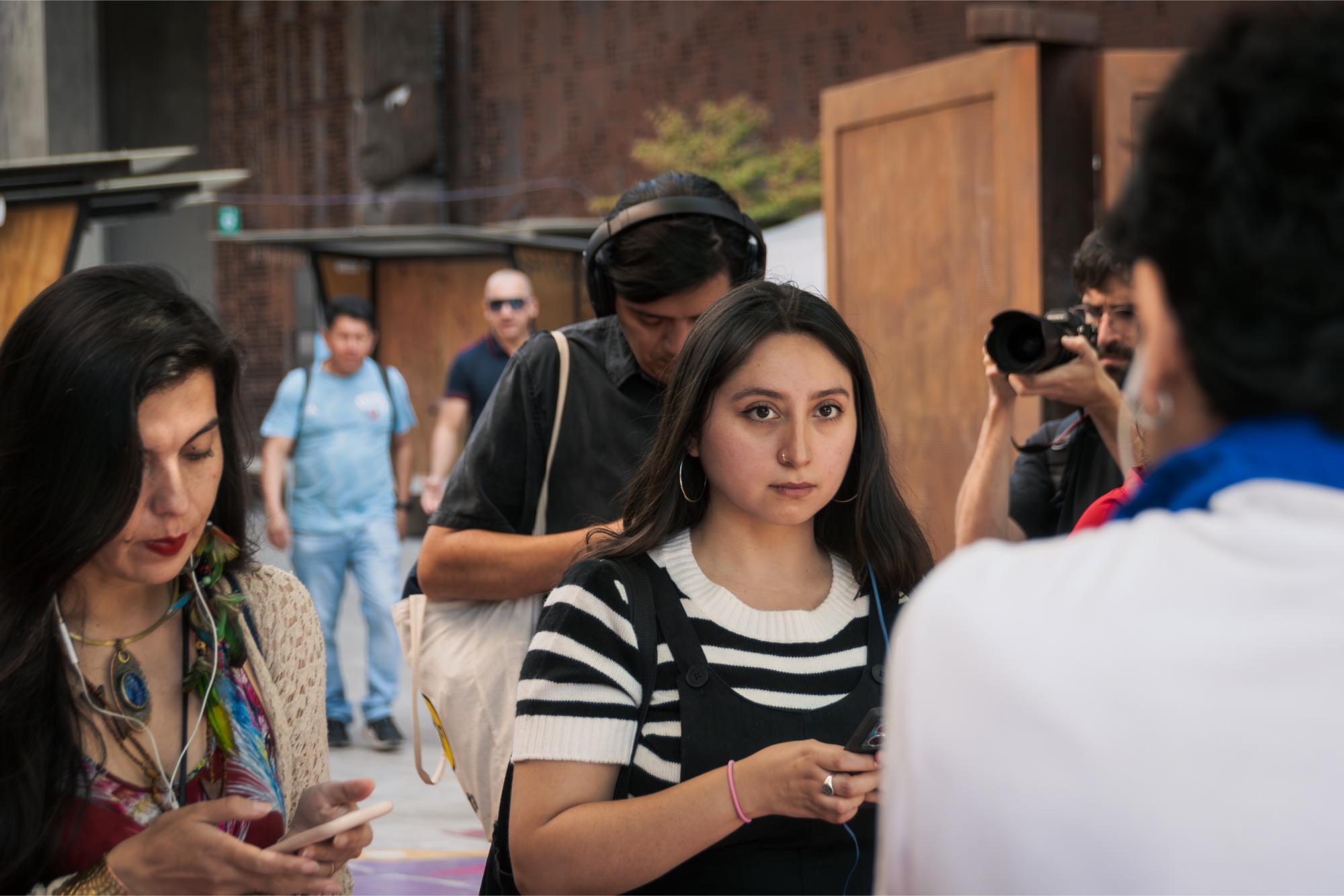
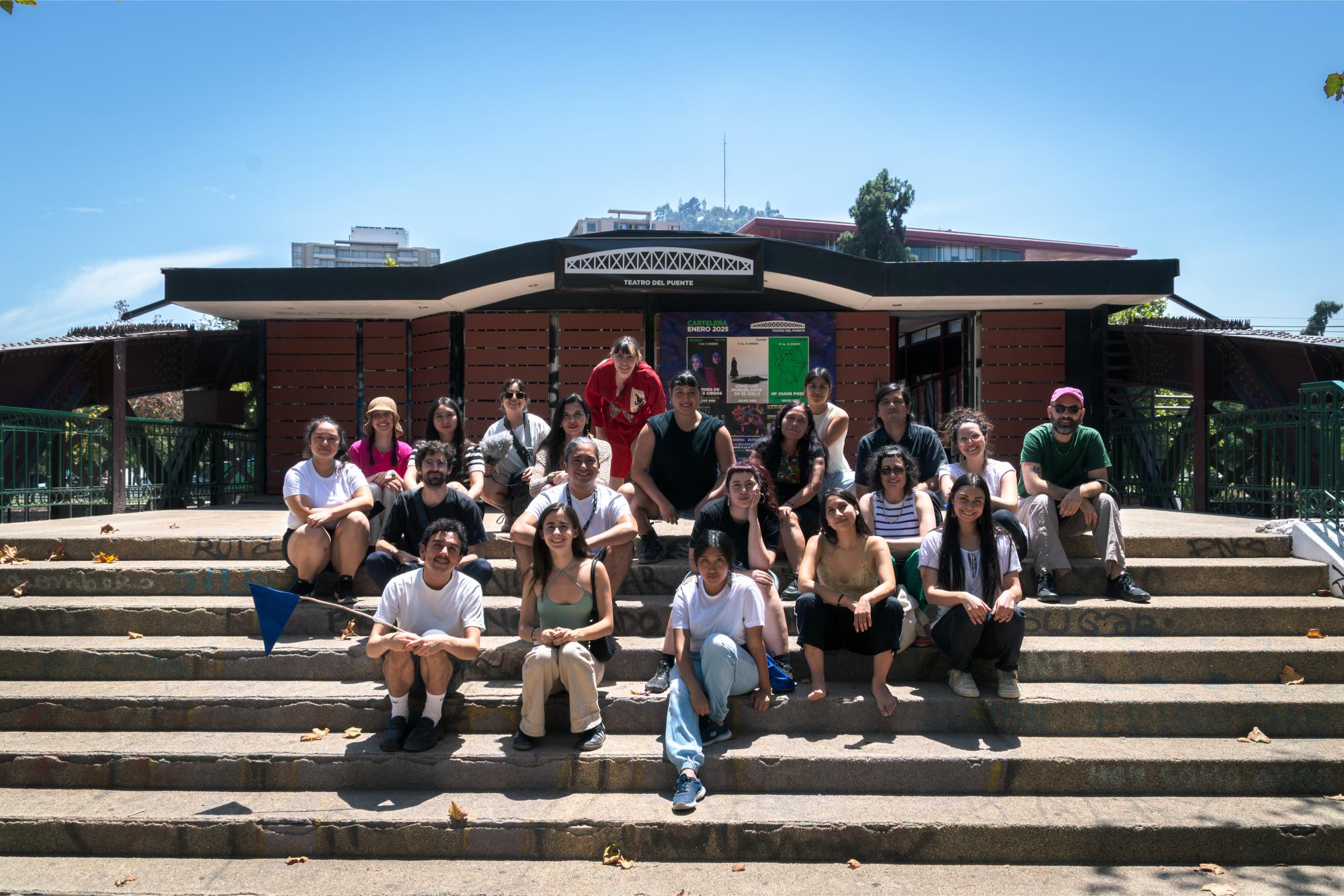
The artist residency ‘El Río’ (‘The river’, 1 October 2024 – 31 January 2025, Santiago, Chile) gathered artists from the urban Mapuche diaspora with the aim of questioning the colonial materiality of the city and exploring new ways of inhabiting and thinking about urban space, both individually and collectively.
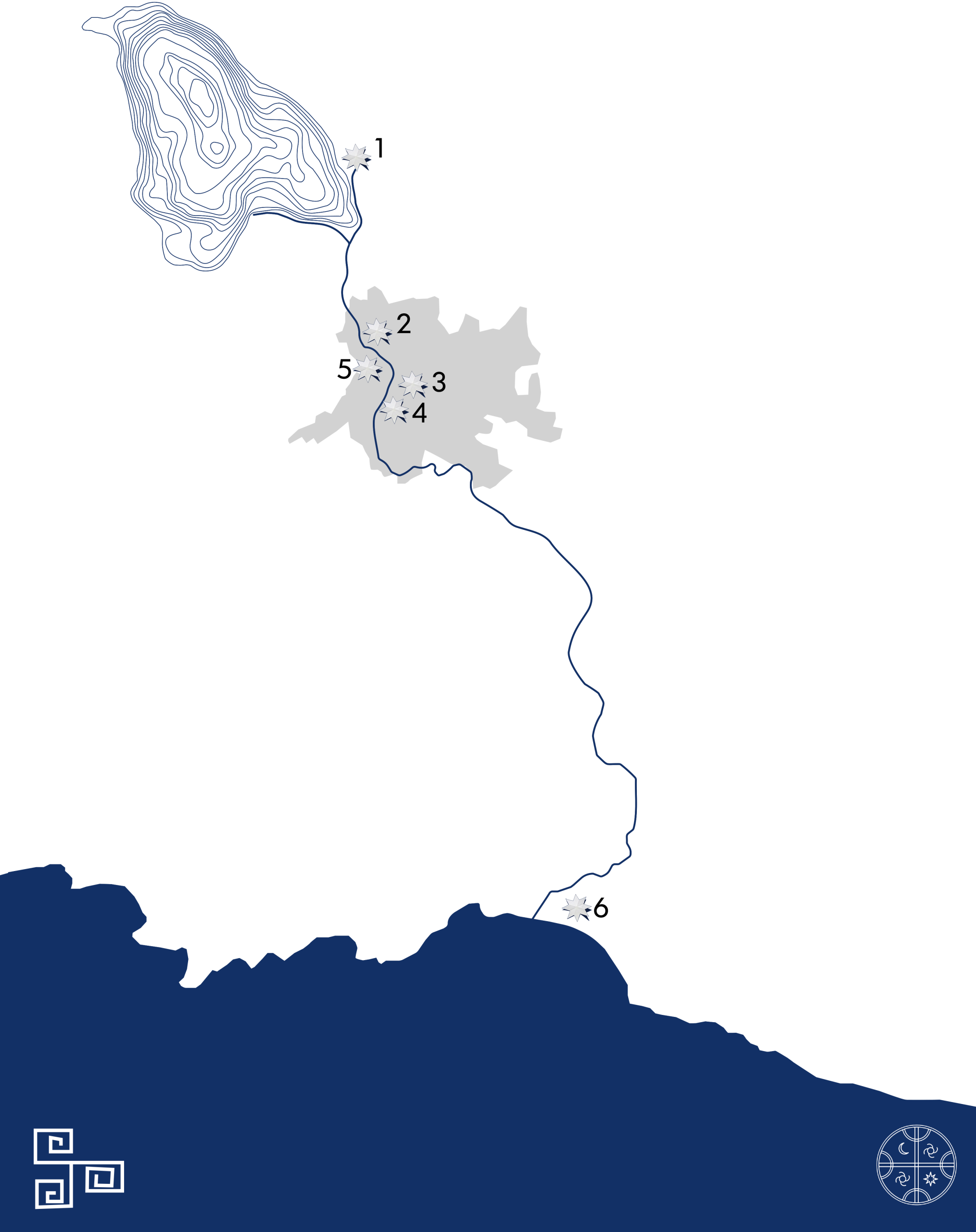
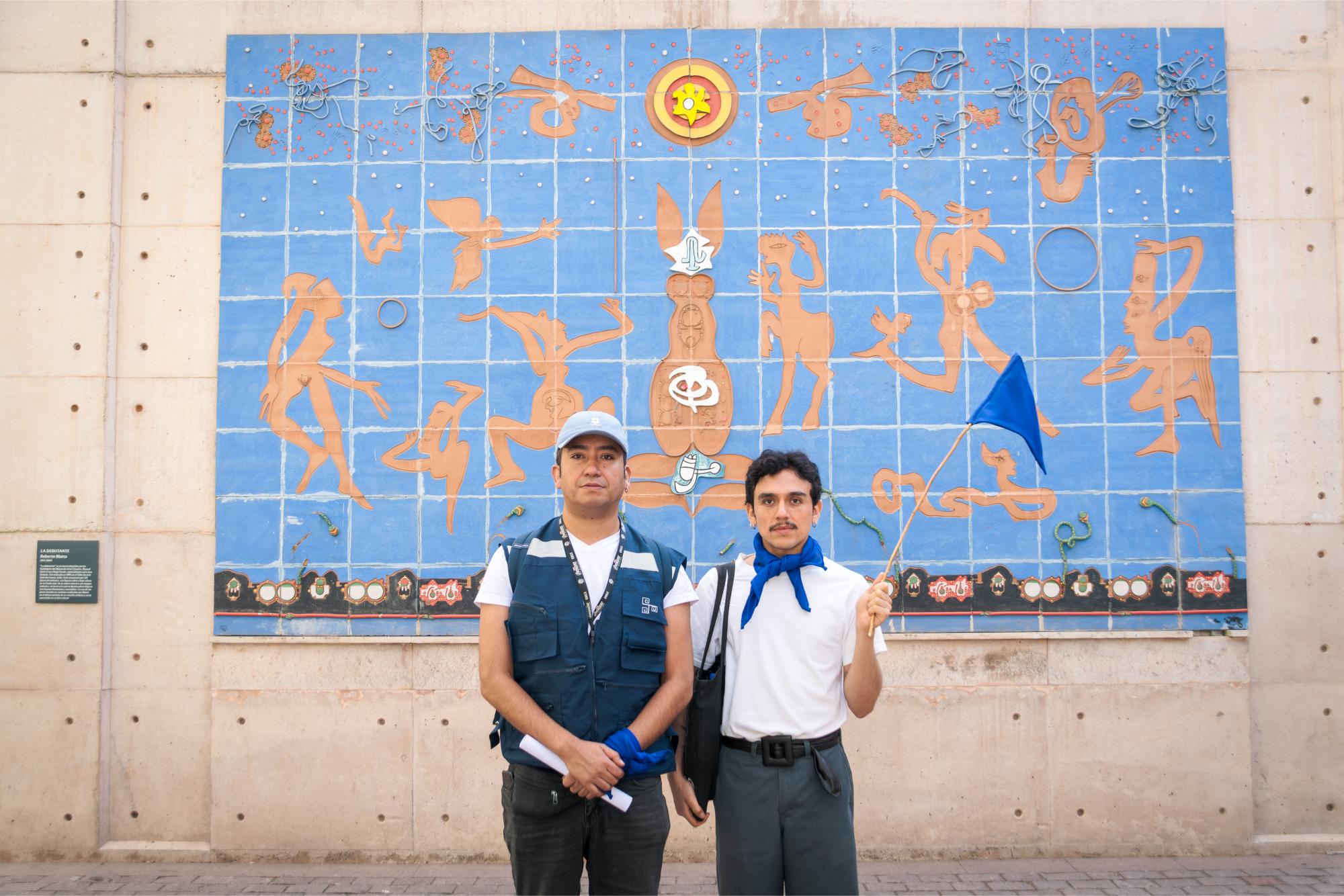
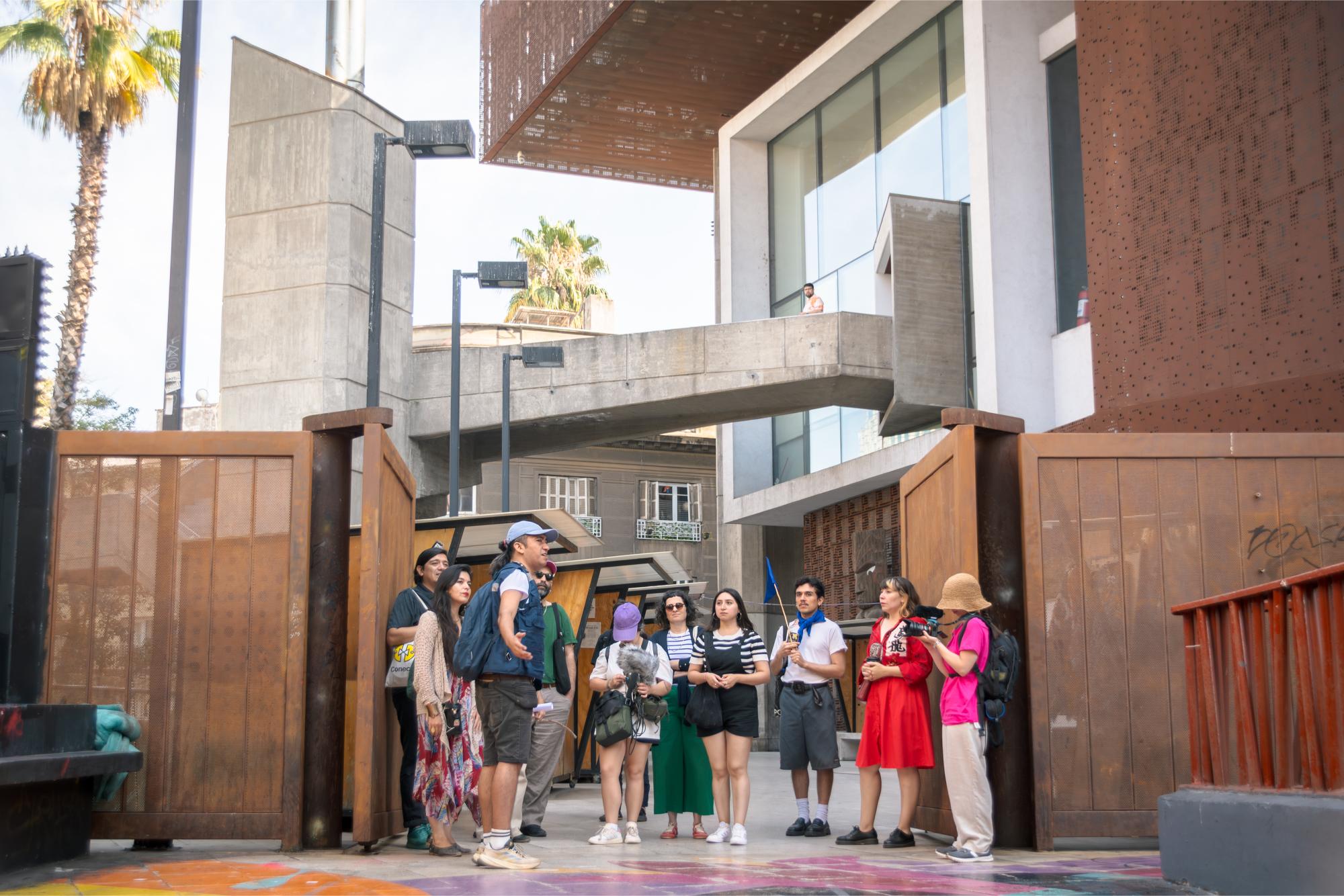
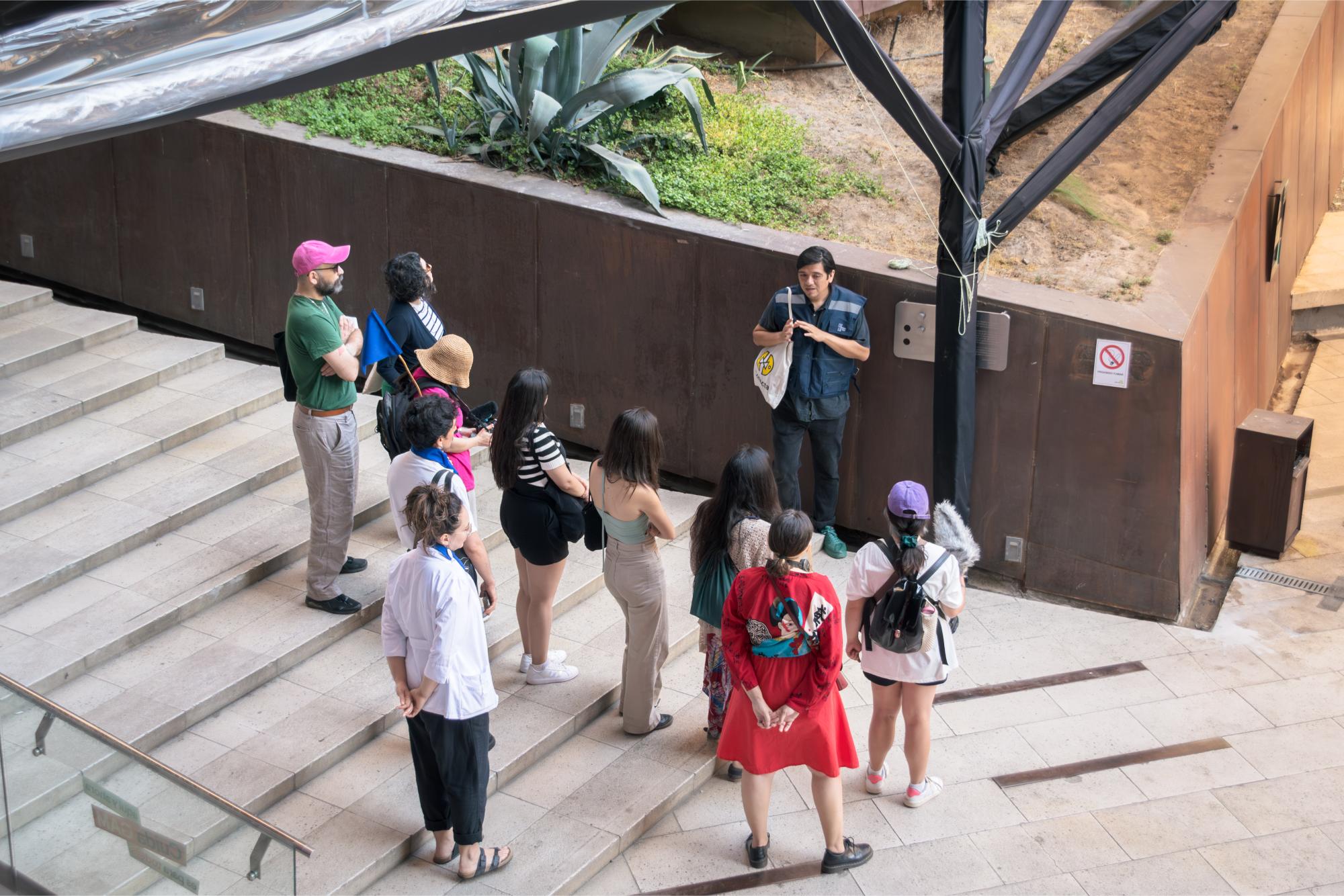
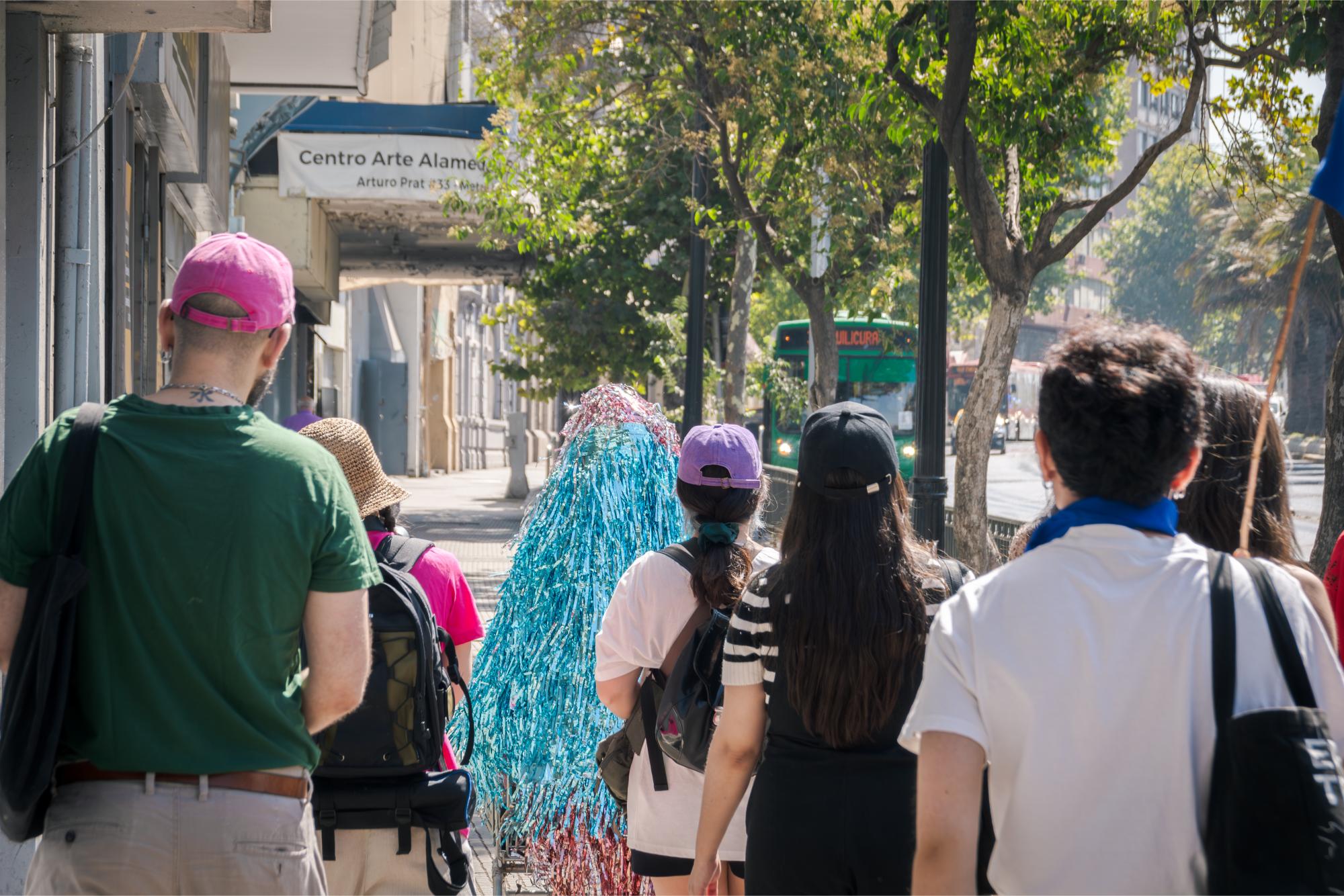
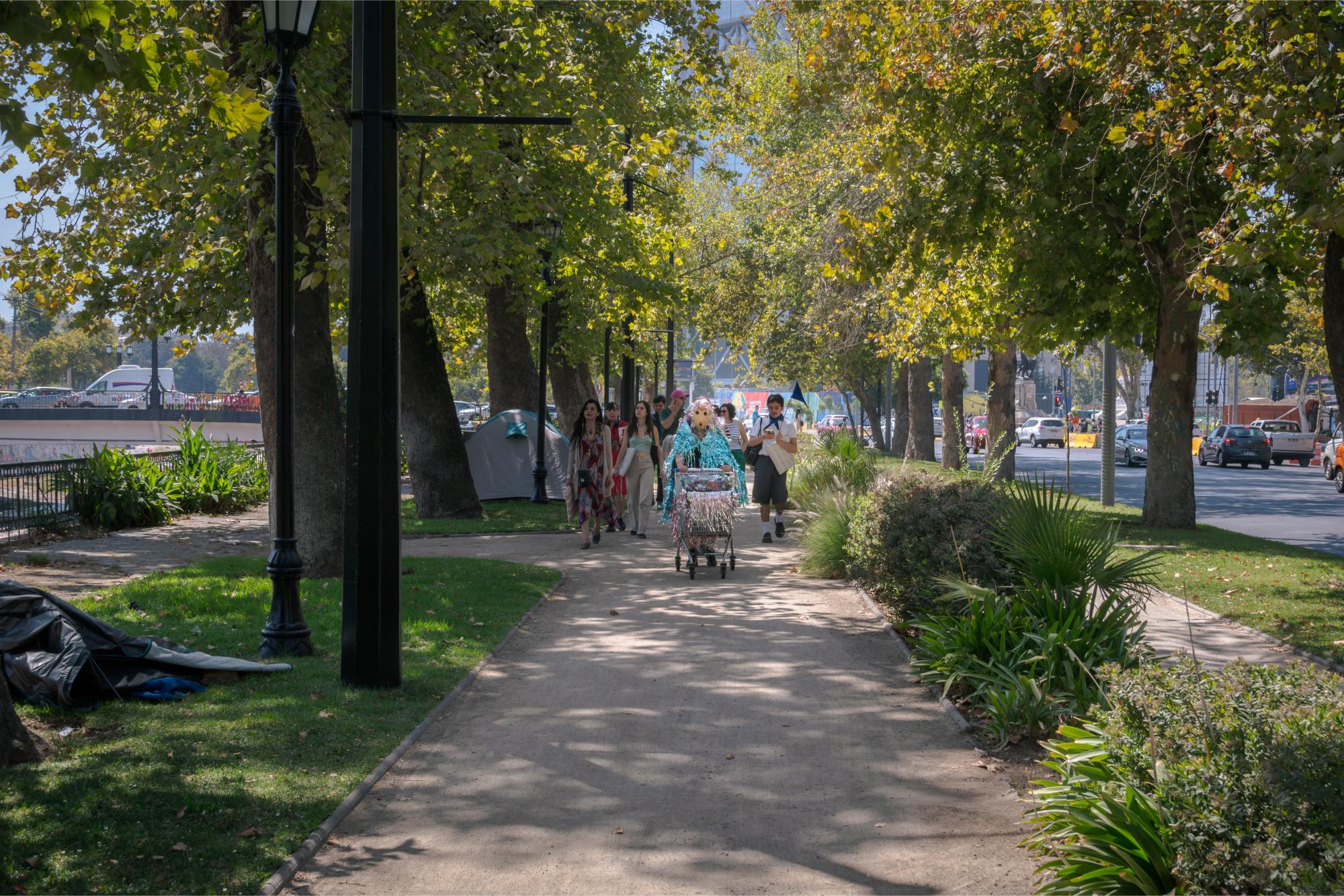
The residency was developed moving from critical mapping activities following the Mapocho river across the city. At each site, the organising team introduced the selected place as another participant in the conversation on the site, its history, its meanings and its current relevance. After this brief introduction, the artists were invited to “work the place” in their own way and with the research and creation tools of their choice. At some of the selected sites, external guests participated to stimulate conversation and creation.
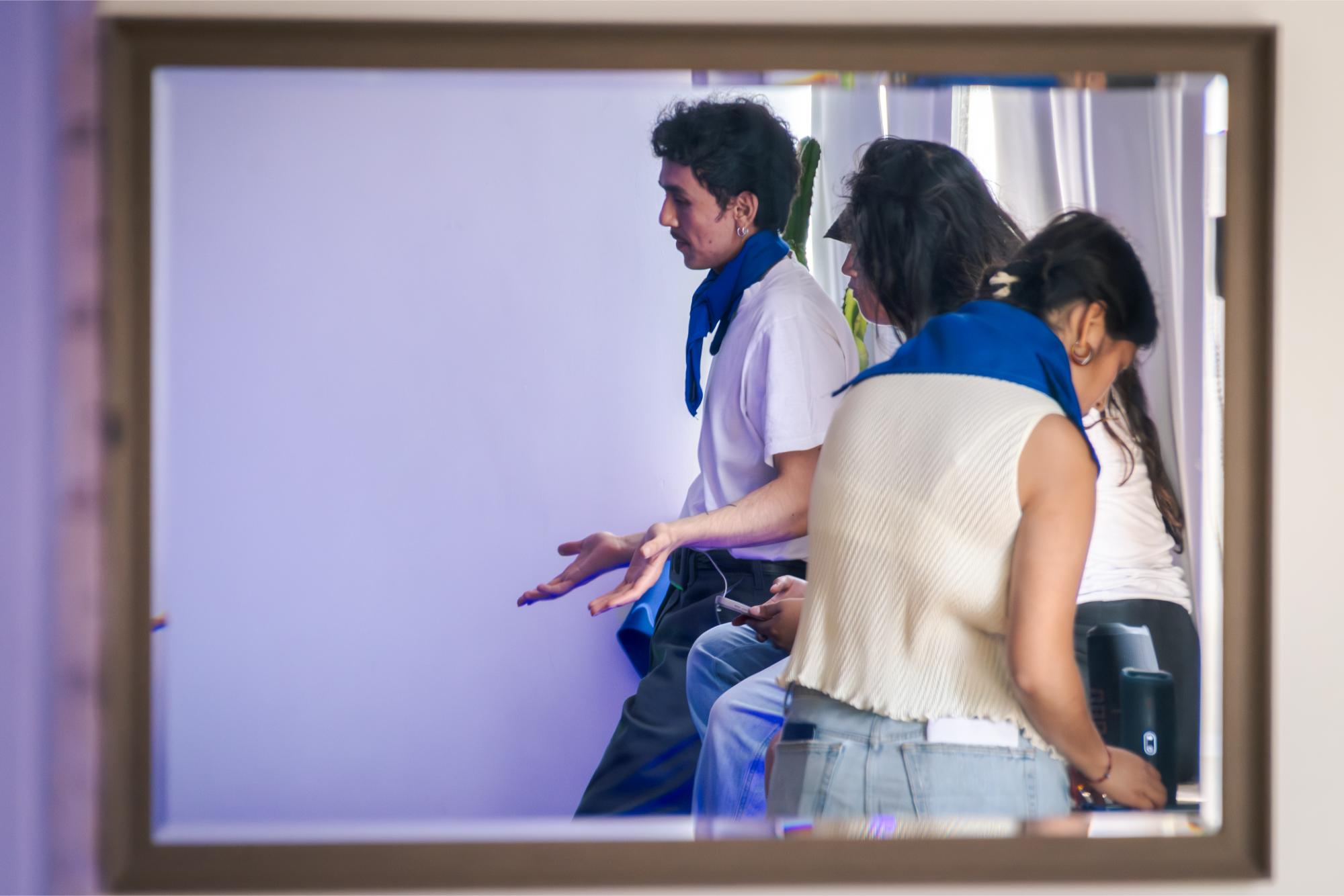
The last days were dedicated to reflection on the previous phases and to activities led by the artists in residence. Each artist chose a site on the banks of the Mapocho river that, from their perspective, was related to whiteness, racism and/or anti-racism; they convened the group and led a creative, reflective and/or dialogical activity. The choice of both the location and the proposed activity was free and personal.
Cerro Plomo: where the Mapocho River begins…
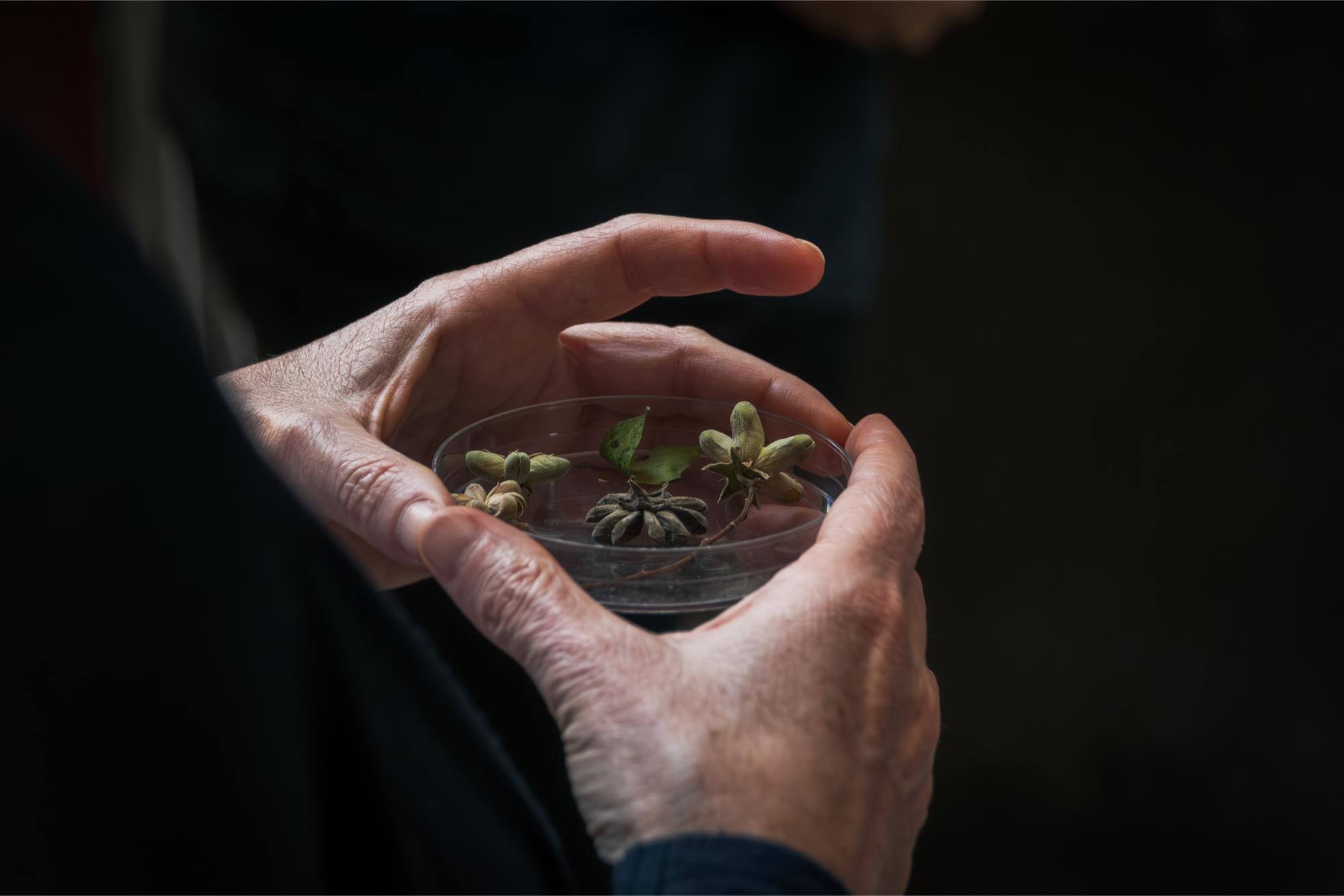
Transport by van to La Ermita. to talk about the political and cultural identity of the valley. Walk. Sound recording and collection of organic materials.
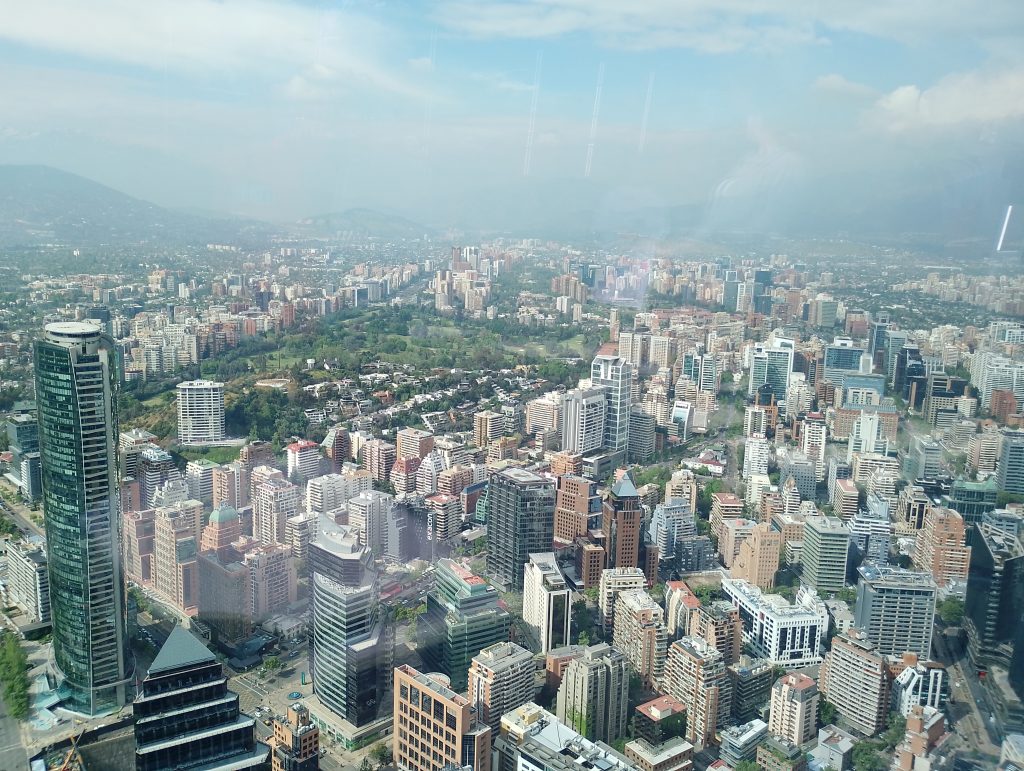
Costanera Center Viewpoint
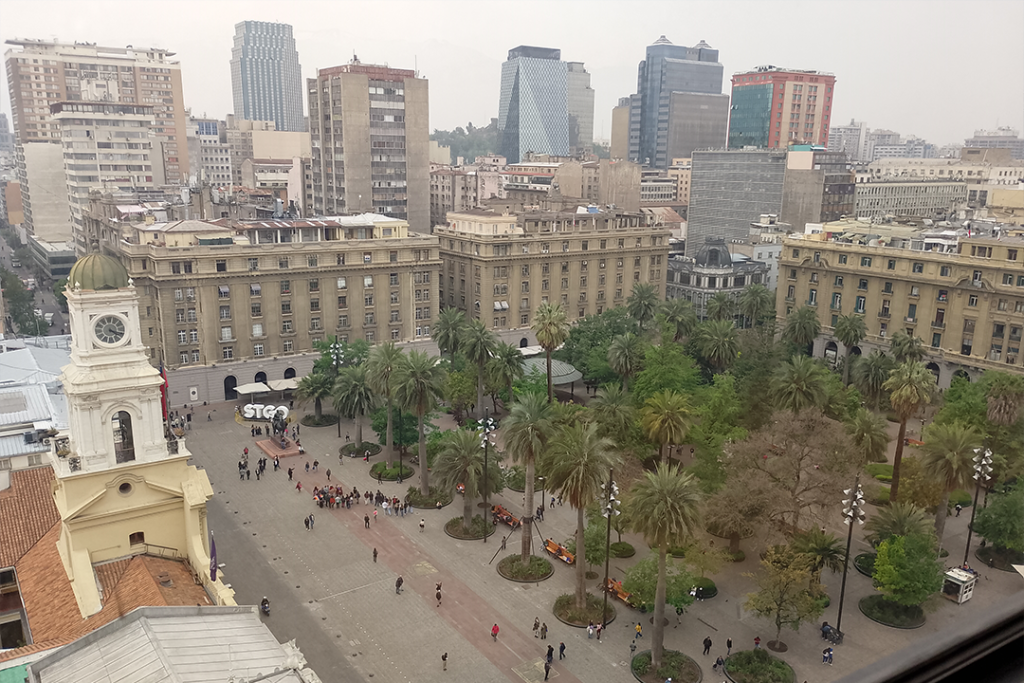
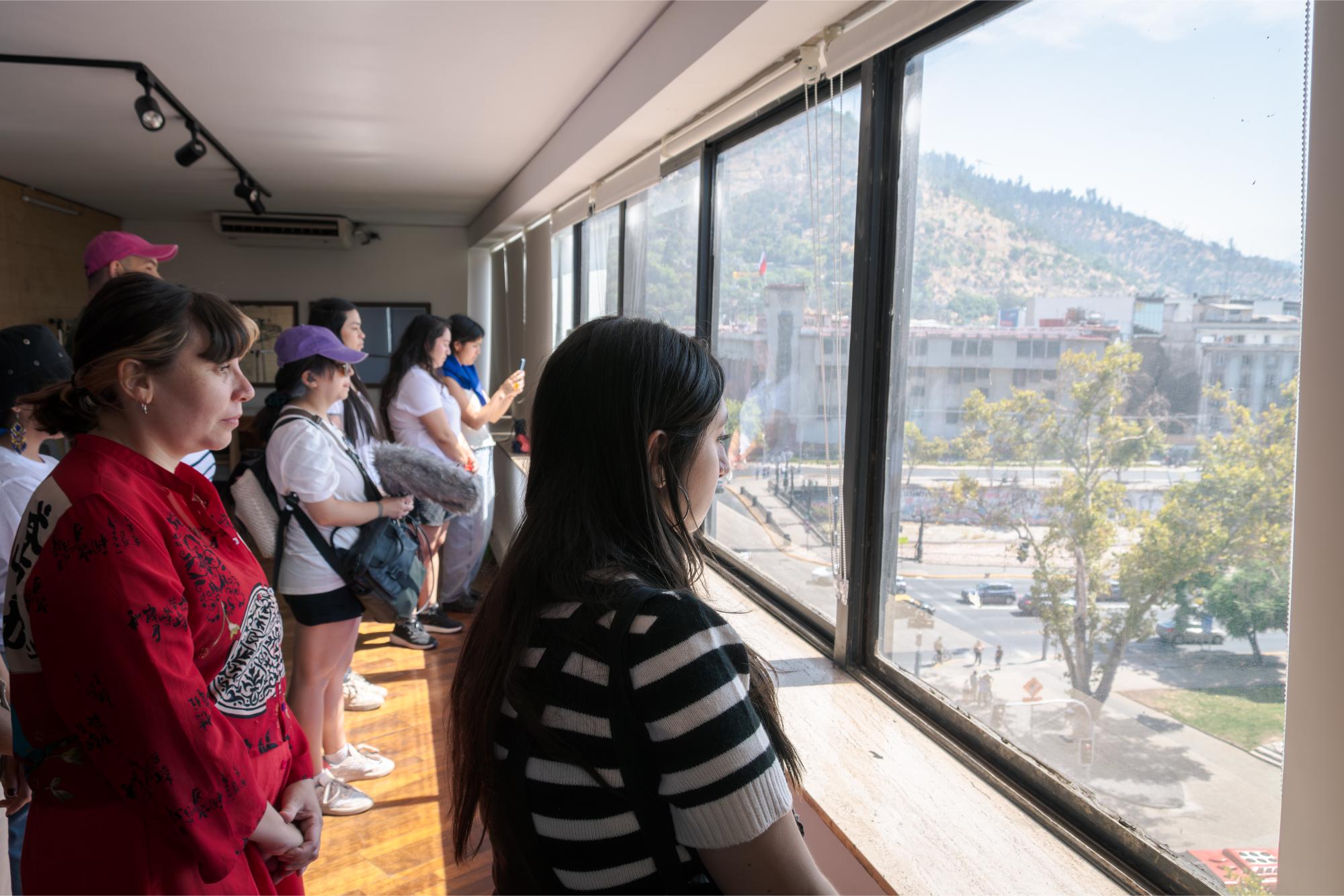
The neoliberal city and the phallic trajectory of Chilean capitalist modernisation. From the mirador: a perspective on the city as an experience of sight and body.
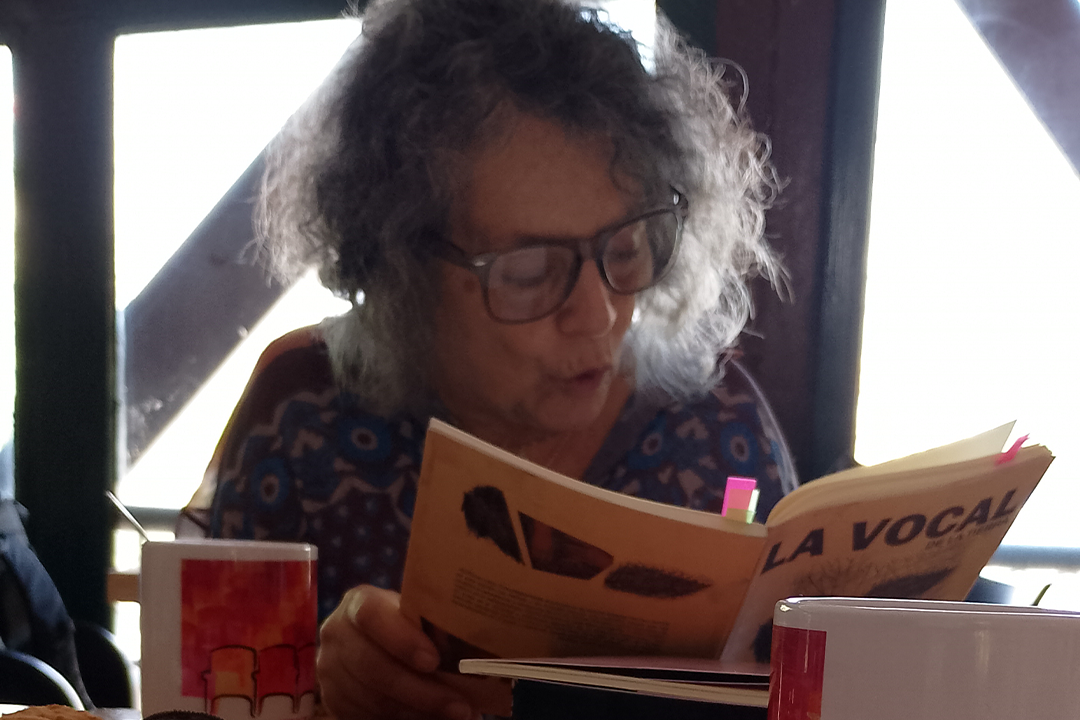
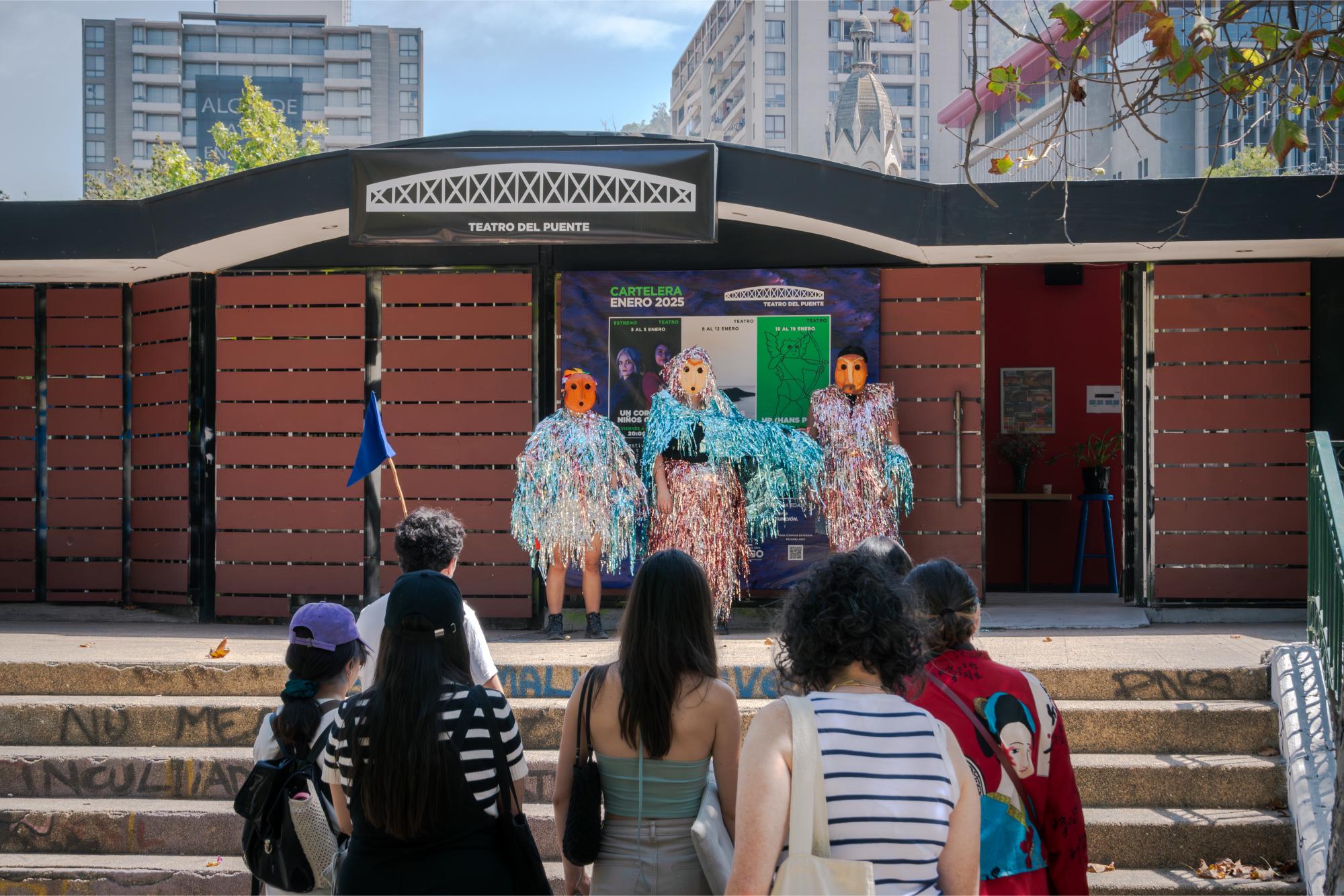
Teatro del Puente
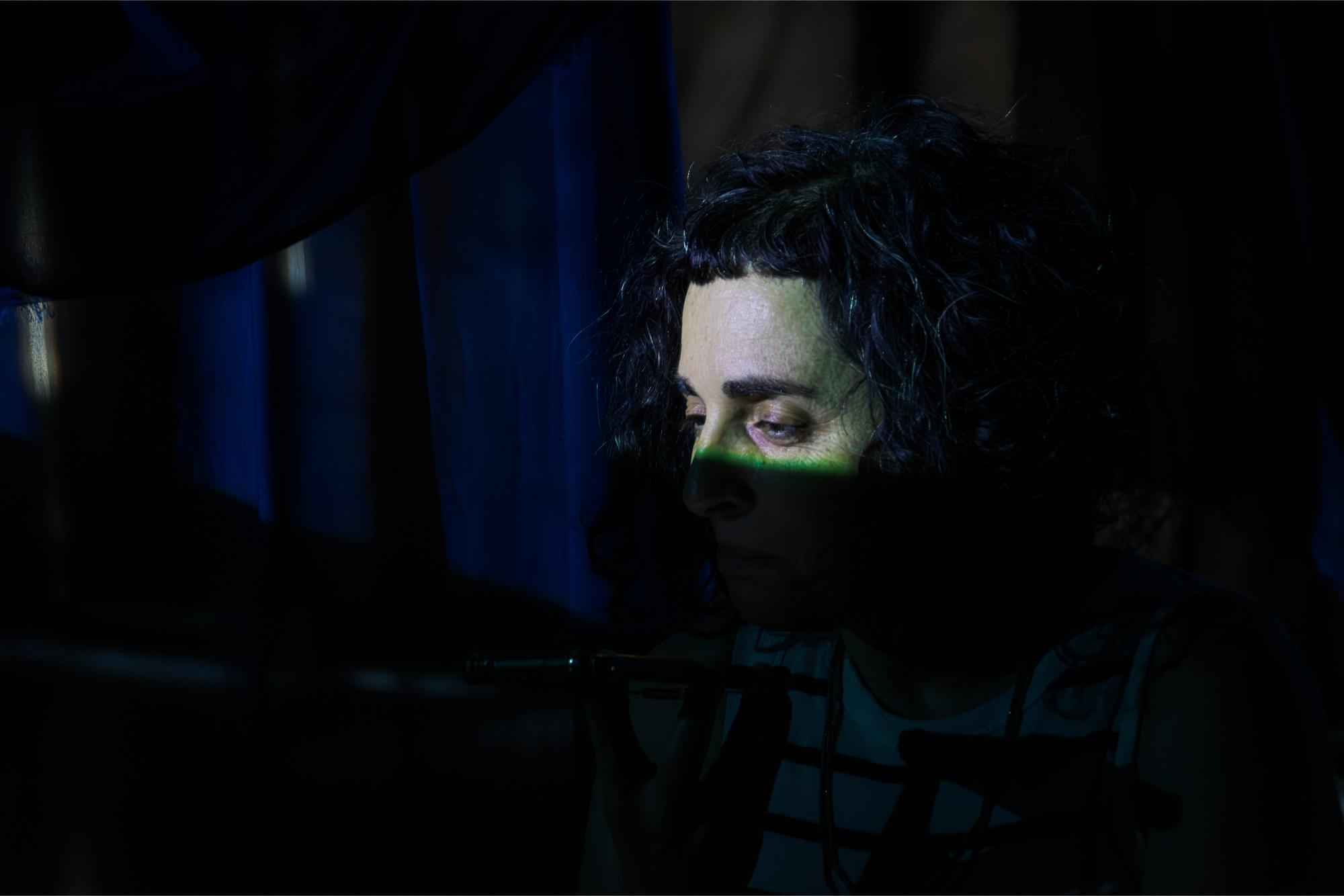
Guest: Soledad Fariña
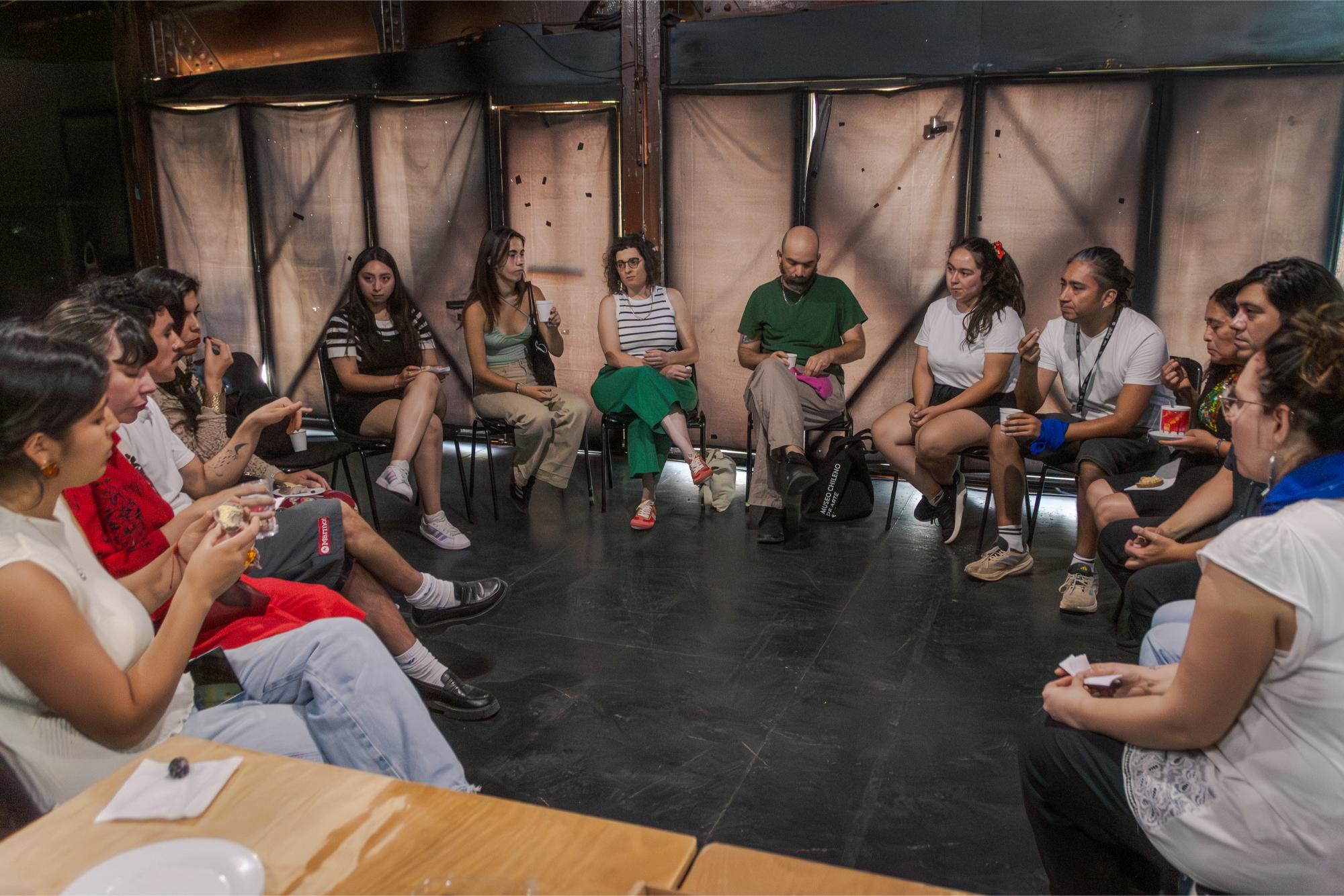
Presentation of Soledad Fariña’s work.Conversation and workshop.
Plaza de Armas and Cal y Canto
Guest: Paola Palacios
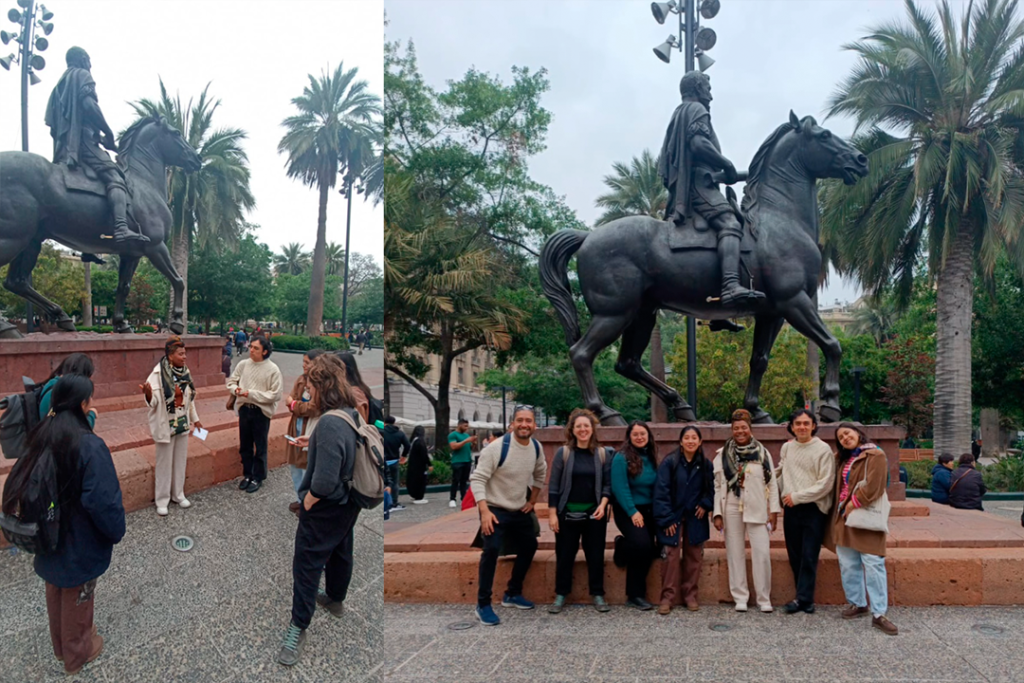
Meeting in Plaza de Armas, at the monument to Pedro de Valdivia, and conversation about the city, migration and racism. Walk to the Tirso de Molina market via Puente to observe urban scenes guided by Paola and her critical perspective.
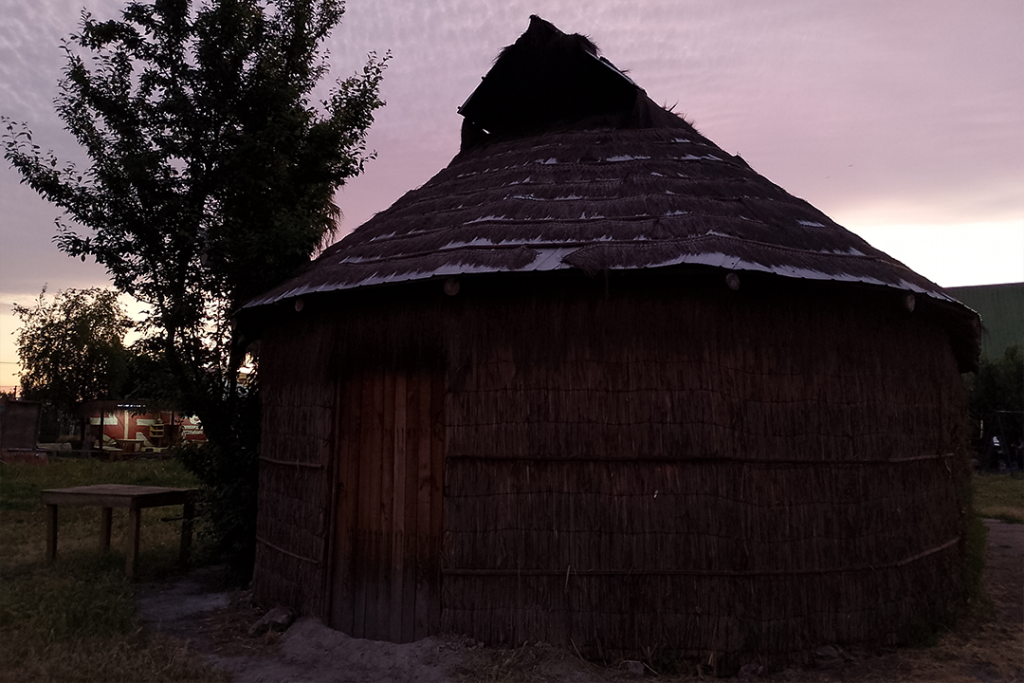
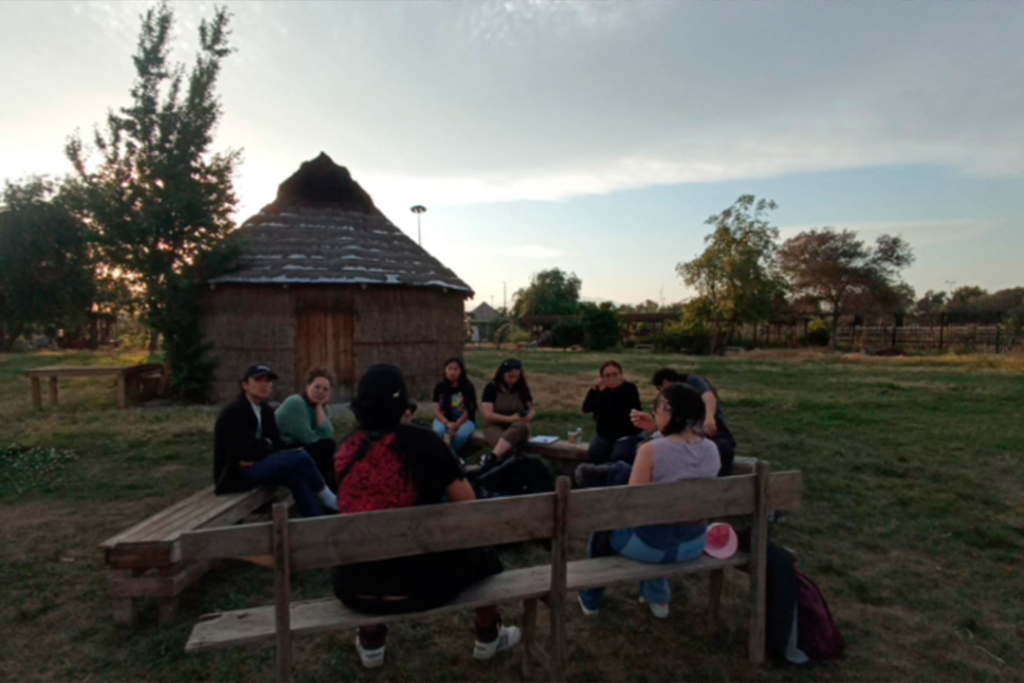
Ruka Cerro Navia
Guests: David Añiñir y Antónia Huentecura
Conversation with David Añiñir and Antónia Huentecura about segregation, racism, diaspora… resistance and ‘the mapurbe’.
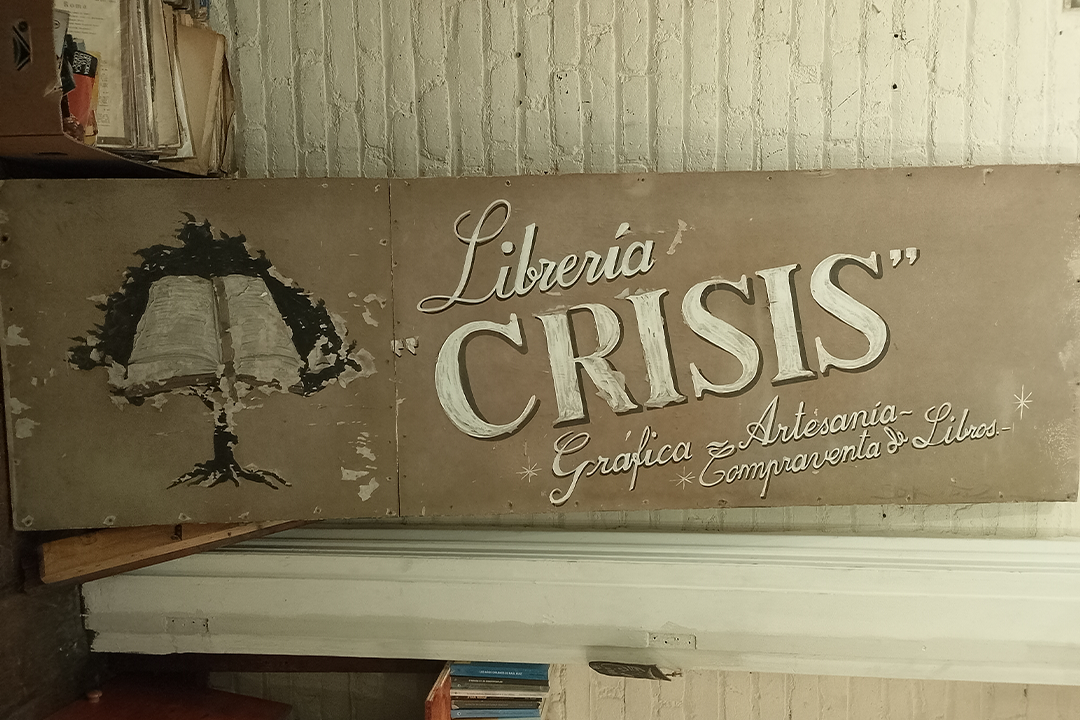
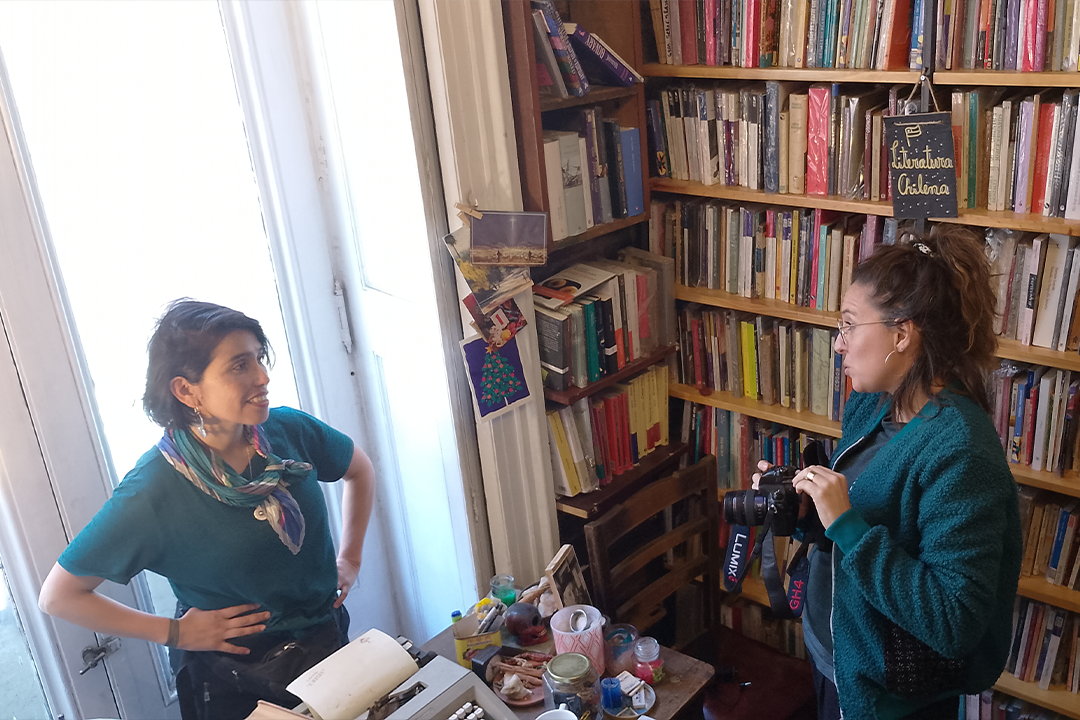
Valparaíso: Crisis bookshop
Guests: Marilén Llancaqueo
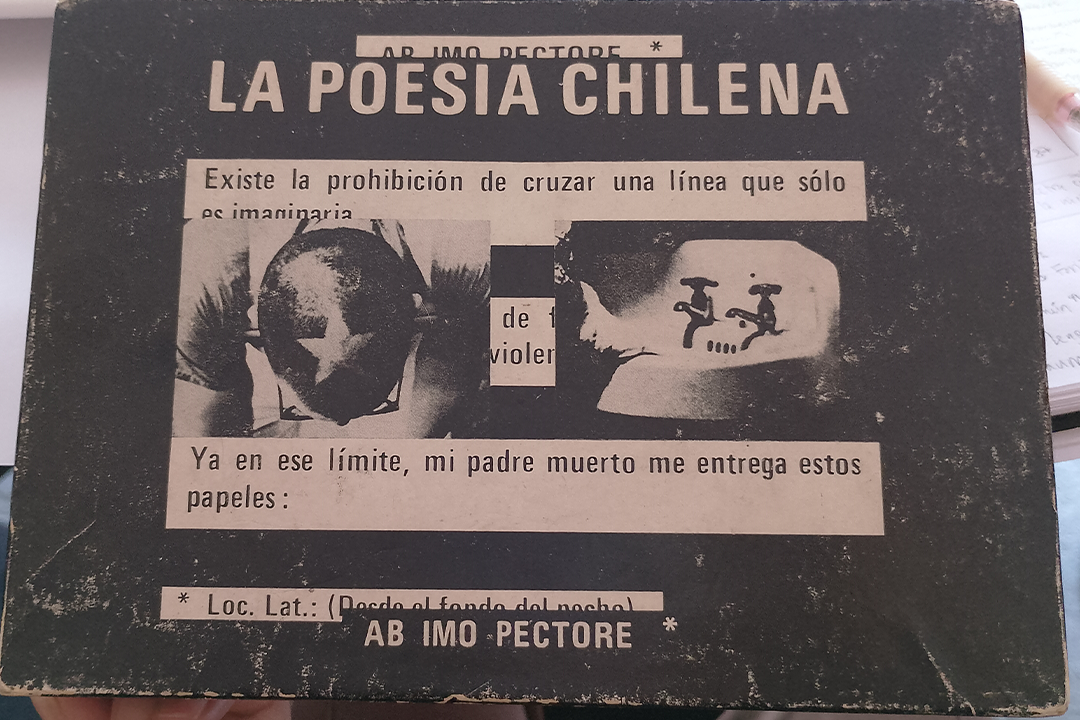
Conversation about the history of the bookshop, its Mapuche archive (posters, newspapers, leaflets, visual materials), the Mapuche intellectuals during the 20th century, and racism.
1 Cerro Plomo: where the Mapocho River begins…
Transport by van to La Ermita. to talk about the political and cultural identity of the valley. Walk. Sound recording and collection of organic materials.
2 Costanera Center Viewpoint
The neoliberal city and the phallic trajectory of Chilean capitalist modernisation. From the mirador: a perspective on the city as an experience of sight and body.
3 Teatro del Puente
Guest: Soledad Fariña
Presentation of Soledad Fariña’s work.Conversation and workshop.
4 Plaza de Armas and Cal y Canto
Guest: Paola Palacios
Meeting in Plaza de Armas, at the monument to Pedro de Valdivia, and conversation about the city, migration and racism. Walk to the Tirso de Molina market via Puente to observe urban scenes guided by Paola and her critical perspective.
5 Ruka Cerro Navia
Guests: David Añiñir y Antónia Huentecura
Conversation with David Añiñir and Antónia Huentecura about segregation, racism, diaspora… resistance and ‘the mapurbe’.
6 Valparaíso: Crisis bookshop
Guests: Marilén Llancaqueo
Conversation about the history of the bookshop, its Mapuche archive (posters, newspapers, leaflets, visual materials), the Mapuche intellectuals during the 20th century, and racism.
¿Quién soy y qué hago? ¿Cuáles son las condiciones de mi acceso? ¿Estoy allí por invitación o estoy invadiendo? ¿Es la primera vez que estoy allí o es un lugar conocido? ¿Es de dominio público o privado? ¿Lo que puedo ver o hacer está prescrito o proscrito? ¿Cuáles son las circunstancias de mi presencia? ¿Soy un extraño o un habitante? ¿Paso desapercibido o destaco? ¿Mis acciones son clandestinas o atraigo la atención sobre mí? ¿De qué apariencia visito el lugar?